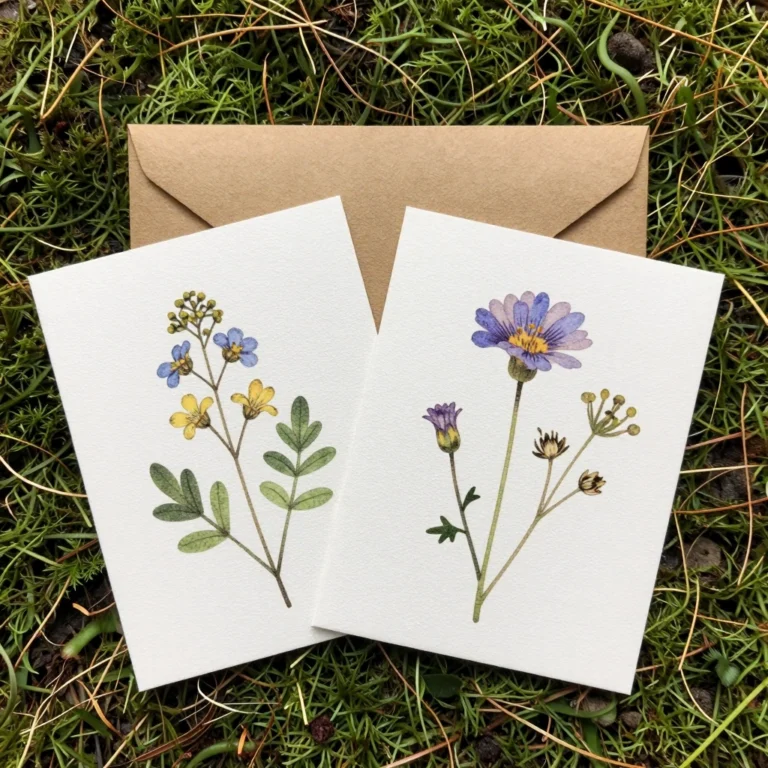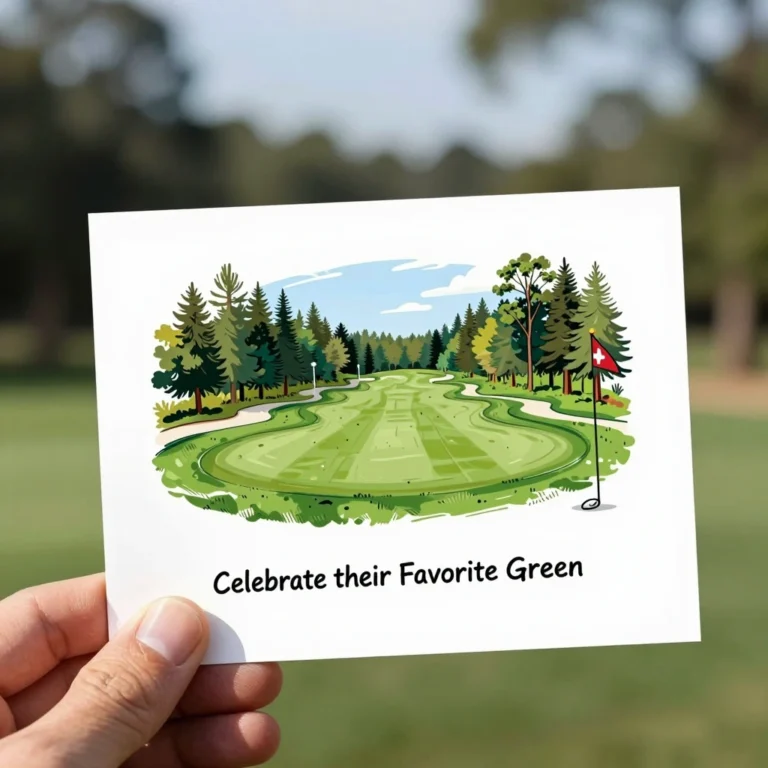
15 Business Cards Ideas That Make a Lasting First Impression
Your business card is often the very first physical touchpoint someone has with your brand — and it deserves to be memorable. Whether you’re a freelancer, small business owner, or creative professional, the right card design can open doors and spark conversations long after the handshake is over. In this article, you’ll discover 15 business cards ideas that go beyond the ordinary, blending creativity with practicality so your card gets kept, not tossed.
From bold minimalist layouts to hands-on DIY creations, these ideas work for every style and budget. These 15 business cards ideas will help you stand out in any industry or niche.
1. Minimalist Black-and-White Card
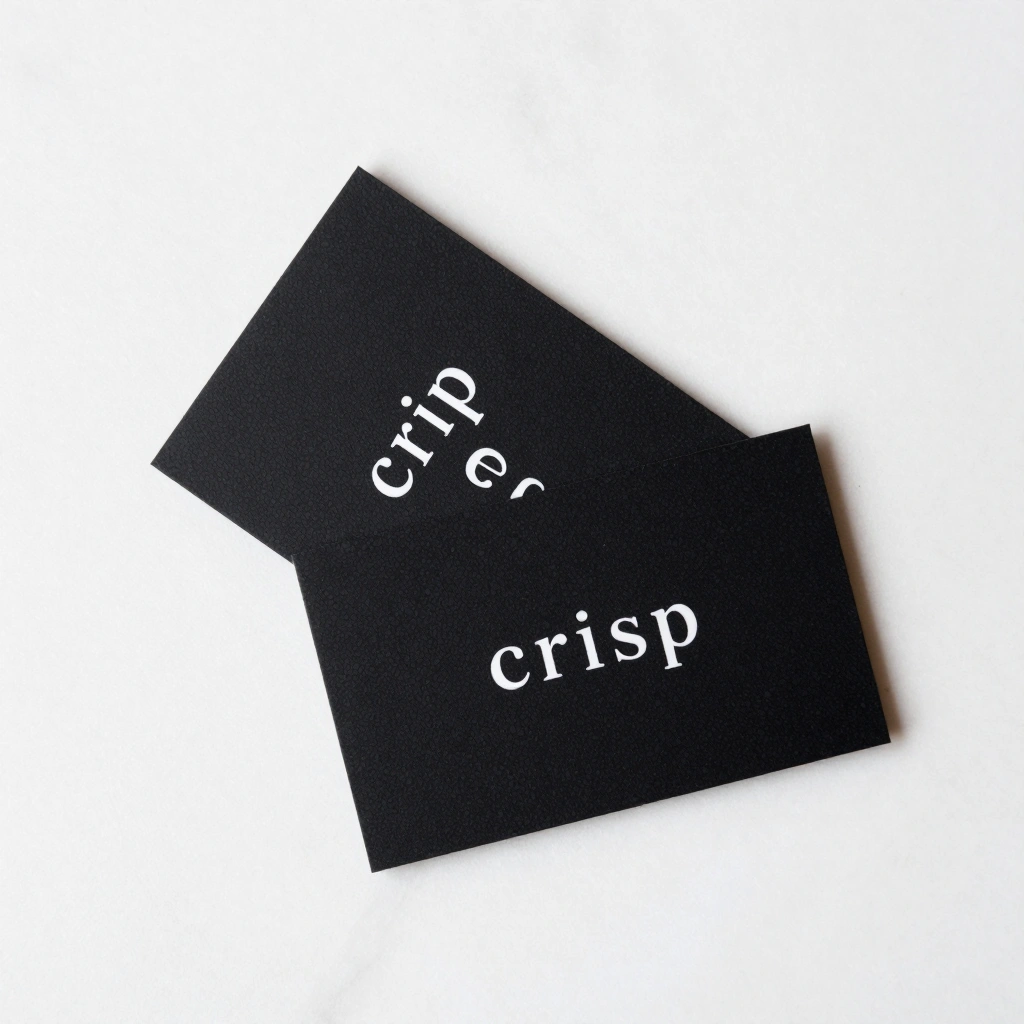
Sometimes less truly is more. A clean black-and-white business card with sharp typography communicates confidence and professionalism instantly. This timeless design works for architects, consultants, lawyers, and creatives who want their name to do the talking. The contrast keeps things bold without any need for color, and it prints beautifully on both matte and glossy stock.
Materials:
- Thick cardstock (at least 350gsm)
- Black ink or laser printer
- Clean sans-serif or serif font
Steps:
- Open a design tool like Canva or Adobe Express.
- Set dimensions to 3.5 x 2 inches.
- Choose a black background and white text, or white background and black text.
- Add your name, title, and contact details in clean typography.
- Export as PDF and send to a local or online printer.
Time: 15–20 min | Difficulty: Easy Best Use Case: Corporate professionals, consultants, designers Creative Variation: Add a subtle embossed logo for texture without color.
2. Kraft Paper Rustic Card
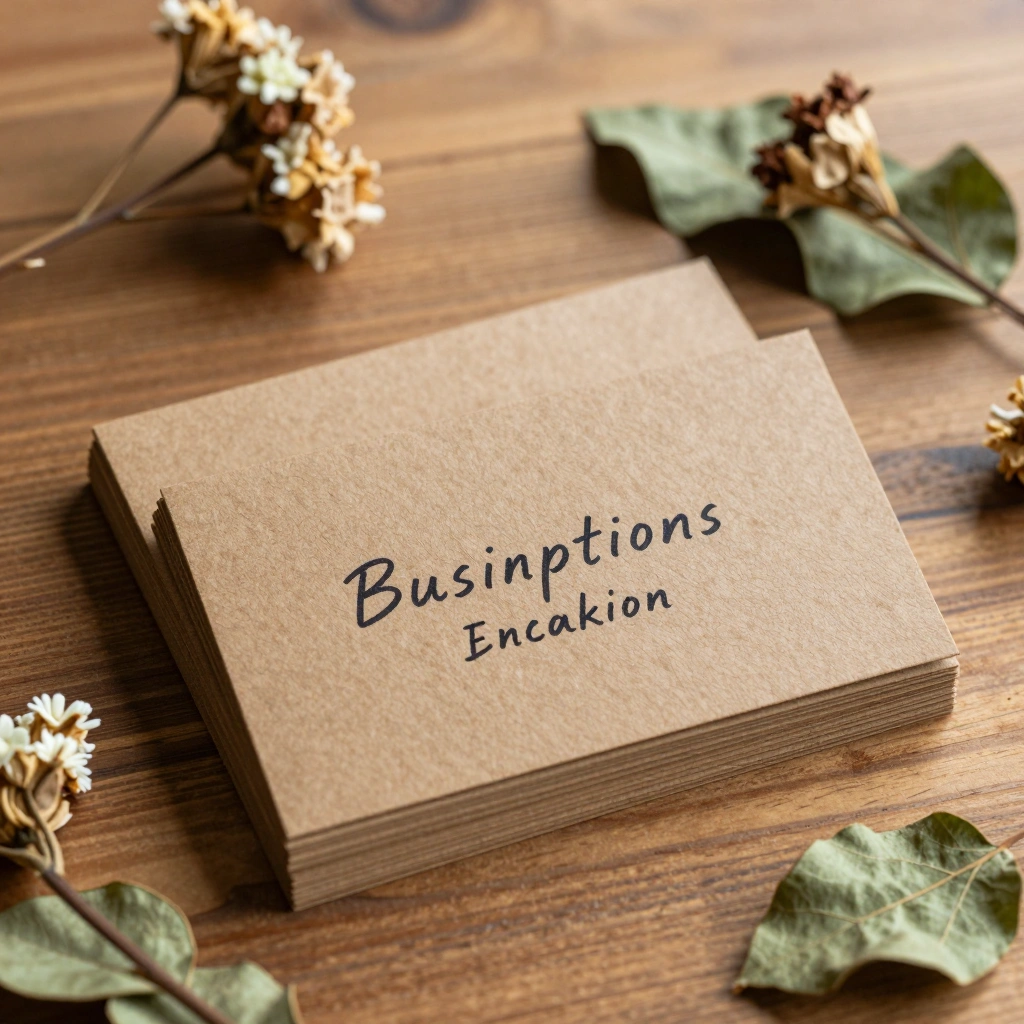
Kraft paper cards have a warm, handcrafted feel that instantly signals authenticity. They’re perfect for artisans, bakers, florists, and anyone in a creative or nature-based field. The natural brown tone pairs beautifully with earthy ink colors like forest green, terracotta, or deep navy.
Materials:
- Kraft paper or pre-cut kraft card blanks
- Rubber stamps or a home printer with kraft-compatible ink
- Fine black marker or pen
Steps:
- Cut kraft paper to standard business card size (3.5 x 2 inches).
- Design a simple layout with your name, business name, and contact info.
- Print directly or use stamps and a pen for a handmade touch.
- Optionally add a small botanical illustration or logo.
- Let dry and stack neatly.
Time: 20–30 min | Difficulty: Easy Best Use Case: Handmade goods sellers, bakeries, florists, Etsy shop owners Creative Variation: Add a small twine hole punch at the corner and attach to product packaging.
3. Folded Booklet Card
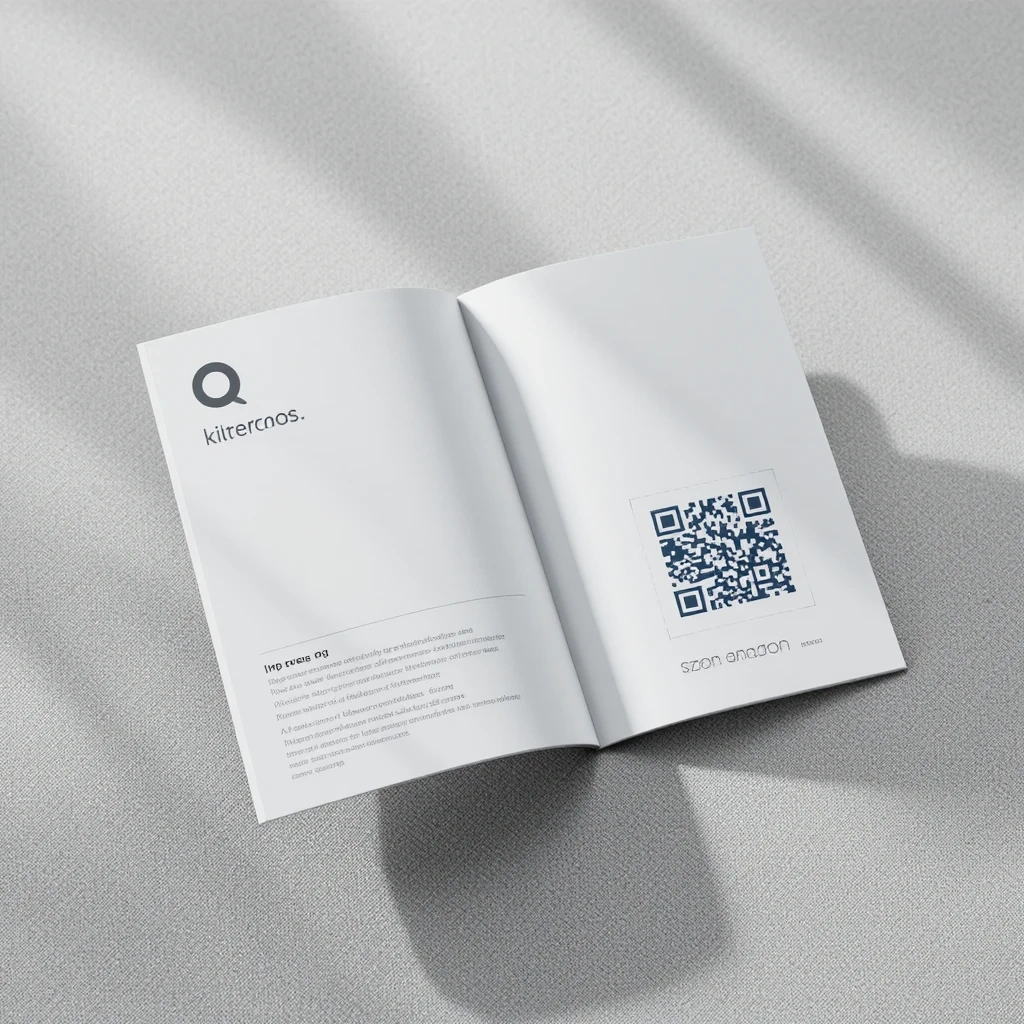
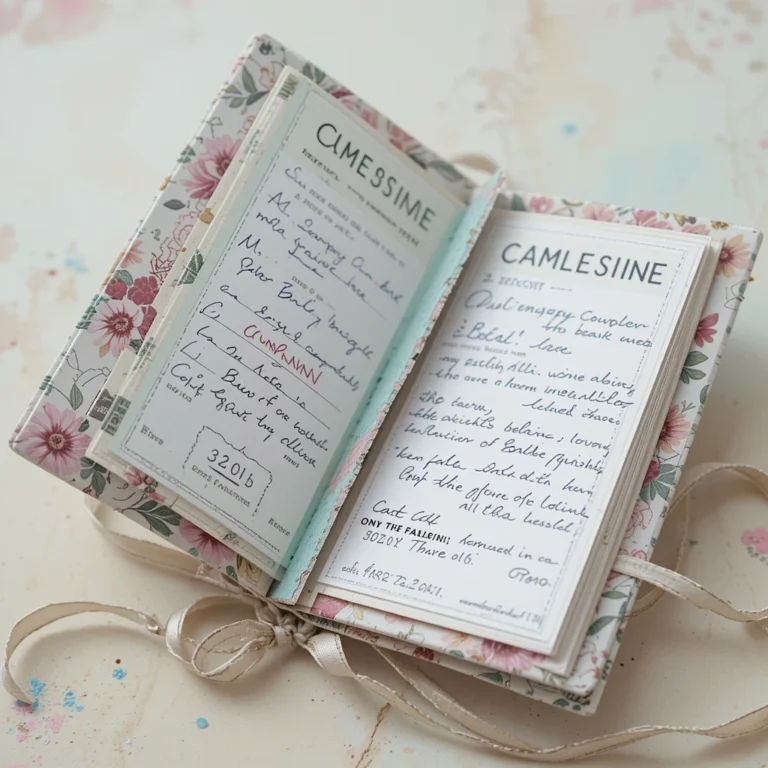
A folded card gives you double the space and double the impact. Instead of a single flat card, this mini booklet opens to reveal more information — your portfolio summary, services list, or a short brand story. It feels premium and is far more likely to be kept by the recipient.
Materials:
- Heavy cardstock (at least 300gsm)
- Bone folder or ruler
- Printer and scissors
Steps:
- Design a two-panel layout (each panel 3.5 x 2 inches) for a total size of 7 x 2 inches when flat.
- Print on both sides.
- Use a bone folder and ruler to score the center fold cleanly.
- Fold and press firmly.
- Trim any edges for a polished finish.
Time: 25–30 min | Difficulty: Medium Best Use Case: Freelancers, photographers, coaches, real estate agents Creative Variation: Add a QR code inside that links to your portfolio or booking page.
4. QR Code Business Card
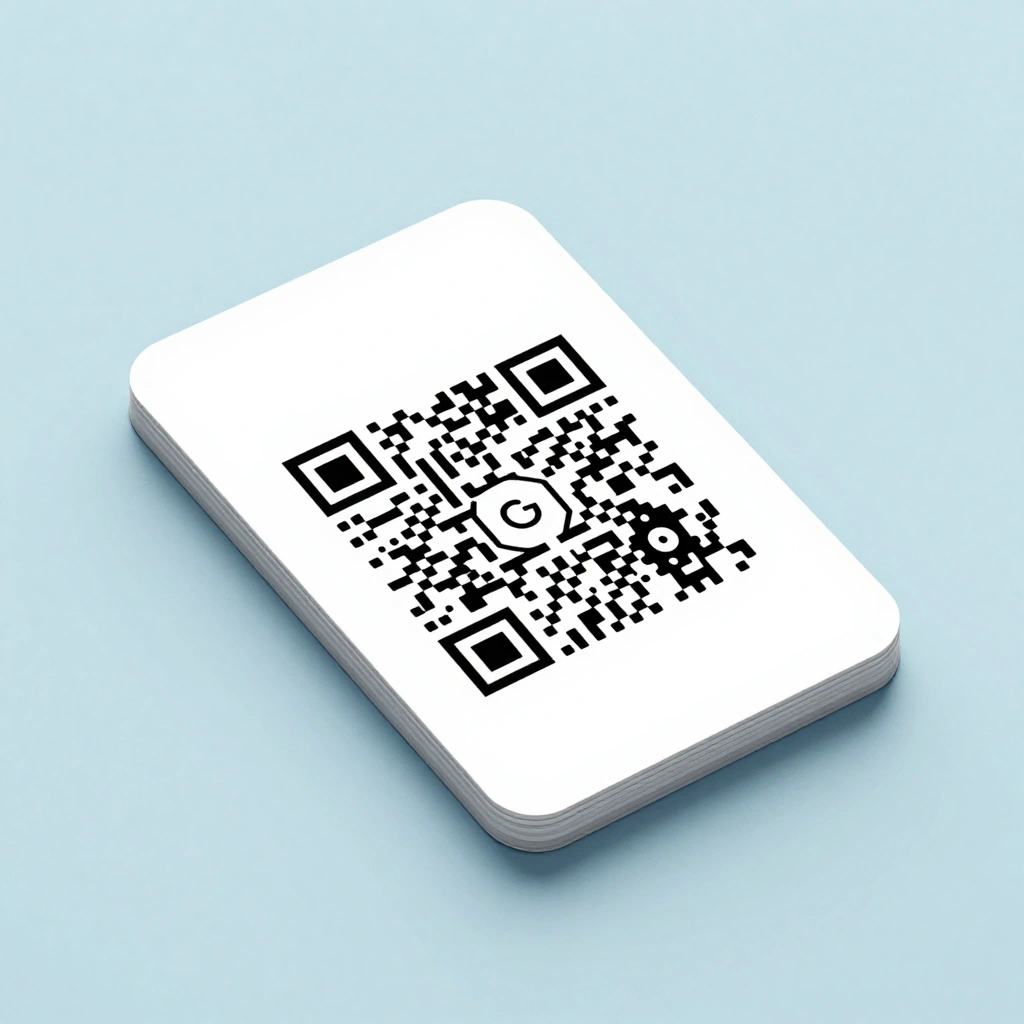
15 Business Cards Ideas: The Digital Bridge Card
QR code cards are one of the smartest modern 15 business cards ideas you can use right now. On the front, keep it clean with just your name and logo. On the back, place a large, scannable QR code that links to your website, LinkedIn, or a personalized landing page. It bridges the physical and digital worlds effortlessly.
Materials:
- Cardstock
- Free QR code generator (like QR Code Monkey)
- Design tool (Canva, Figma)
Steps:
- Create your QR code using a free online generator and link it to your desired destination.
- Download the QR code as a PNG file.
- Open your card design template and place the QR code on the back.
- Keep the front minimal — name, title, and brand colors only.
- Print and trim to size.
Time: 15–20 min | Difficulty: Easy Best Use Case: Tech professionals, online businesses, coaches, content creators Creative Variation: Customize your QR code with your brand color or logo in the center.
5. Watercolor Wash Card
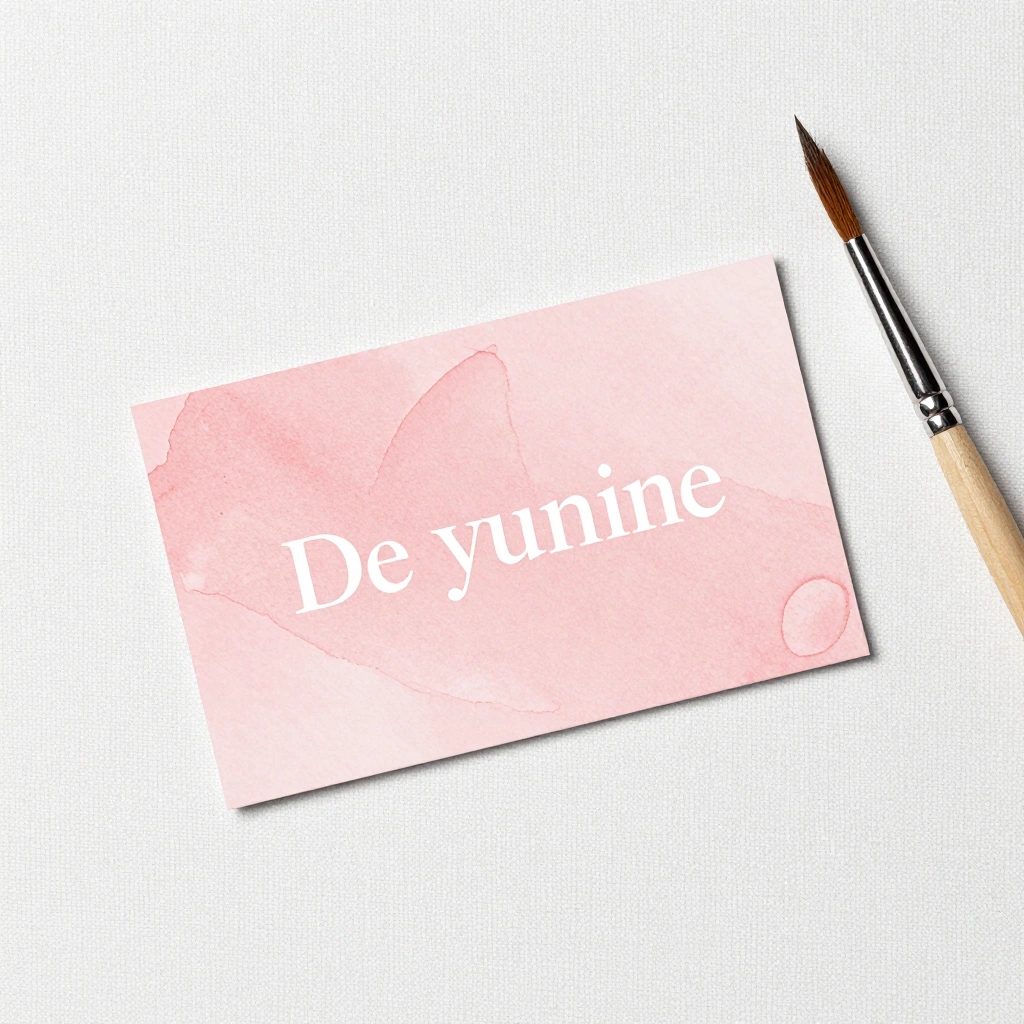
A soft watercolor background gives a business card an artistic, approachable quality that’s both elegant and unique. Ideal for creative professionals, this design feels personal and warm while still looking polished. You can create the watercolor texture digitally or scan your own painted artwork.
Materials:
- Watercolor paints and thick paper (if doing by hand)
- Scanner or smartphone camera
- Design software for text overlay
Steps:
- Paint a simple watercolor wash in your brand colors on thick paper.
- Scan or photograph the artwork at high resolution.
- Import into Canva or Photoshop.
- Overlay your text in a clean, contrasting font.
- Export and print on glossy or matte cardstock.
Time: 30 min | Difficulty: Medium Best Use Case: Artists, calligraphers, wedding planners, therapists Creative Variation: Use a single bold color wash on one half and white on the other for a split design.
6. Rounded Corner Card
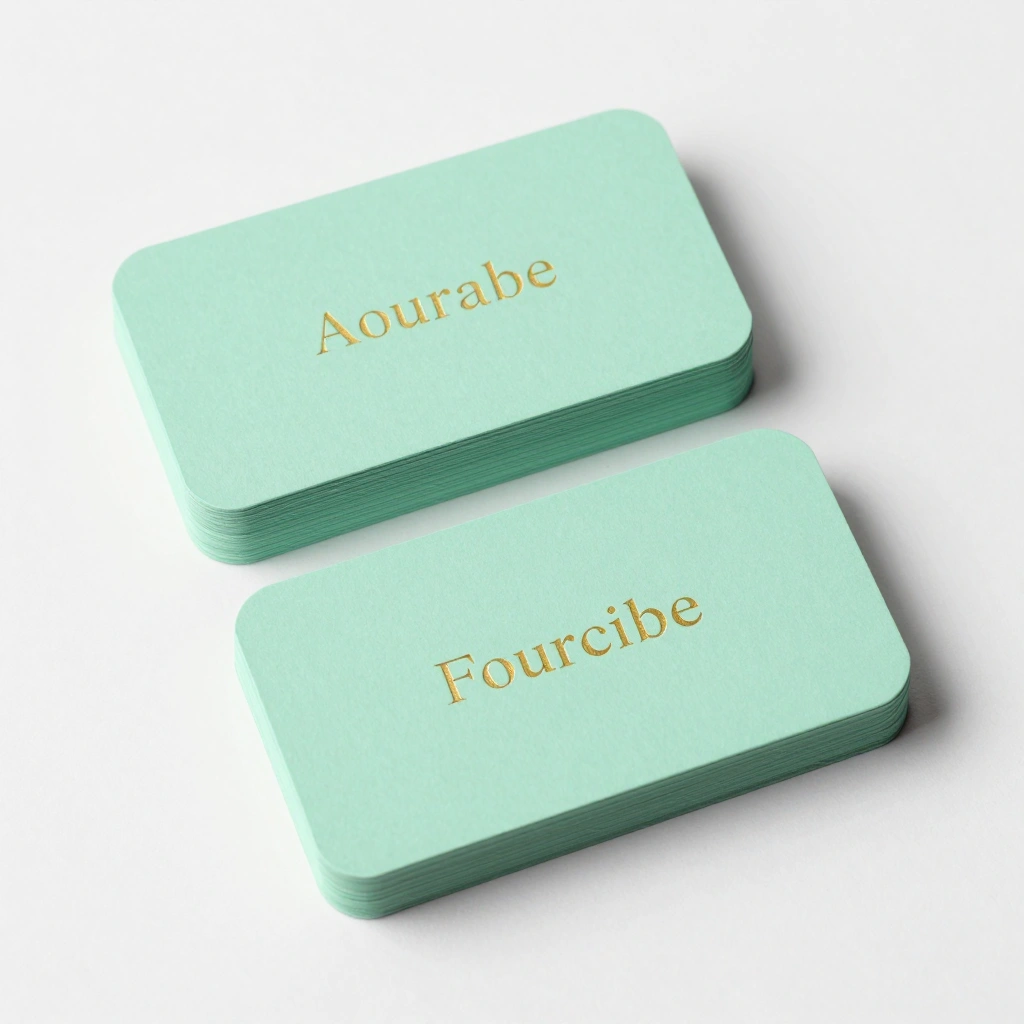
A simple but powerful upgrade — rounded corners make a card feel softer, more modern, and more memorable than a standard sharp-edged card. The design itself can be anything you like; the rounded trim alone sets it apart in a cardholder full of ordinary rectangles.
Materials:
- Standard cardstock or pre-designed template
- Corner rounder punch tool (available at craft stores)
- Printer
Steps:
- Design your card as usual using any template or design tool.
- Print on thick cardstock.
- After printing, use a corner rounder punch to round all four corners.
- Apply consistent pressure to each corner for even results.
- Stack and store in a card case.
Time: 15–20 min | Difficulty: Easy Best Use Case: Any professional, especially those in beauty, wellness, and lifestyle Creative Variation: Combine with a pastel background for a soft, modern aesthetic.
7. Seed Paper Card
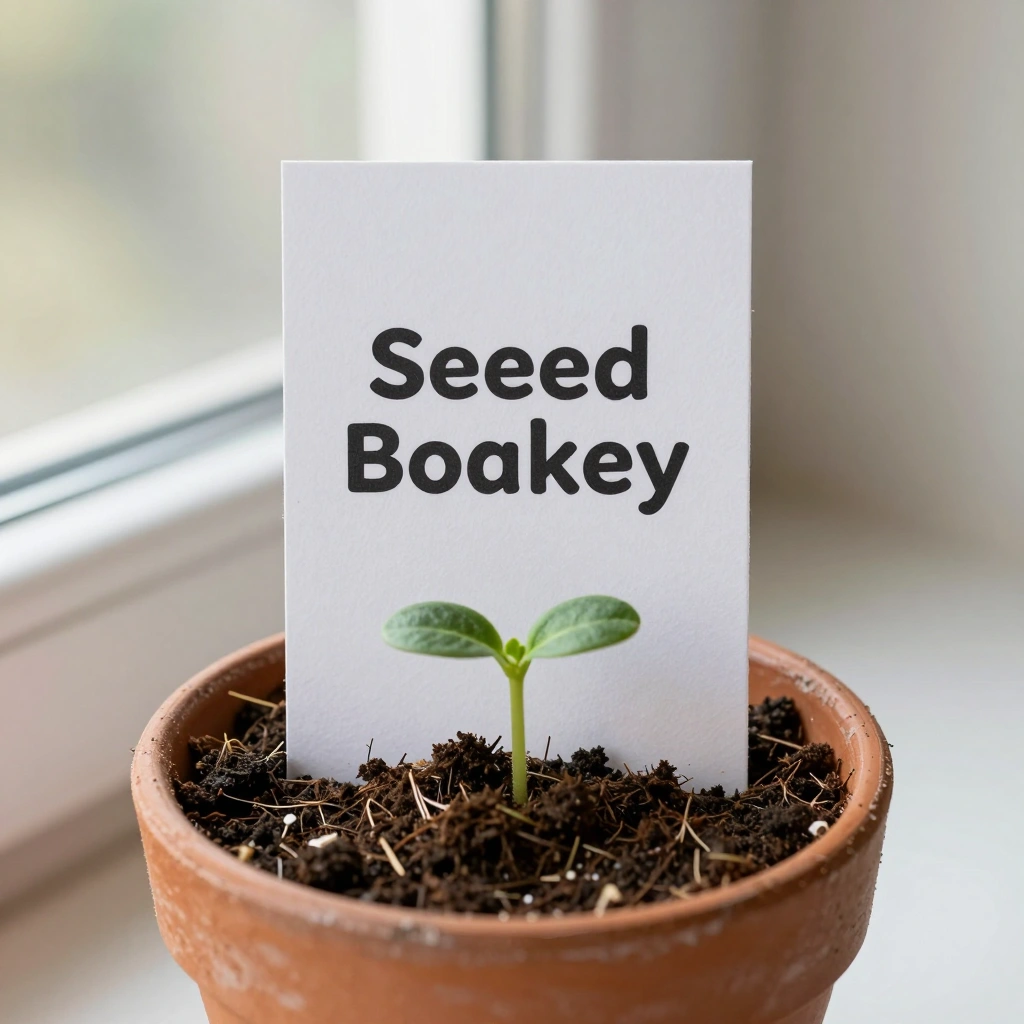
Seed paper business cards are eco-friendly, memorable, and truly one-of-a-kind — when recipients plant them in soil and water them, the card grows wildflowers or herbs. They make a powerful statement about sustainability and creativity.
Materials:
- Seed paper sheets (available online or at craft stores)
- Stamp or print method compatible with seed paper
- Scissors or paper trimmer
Steps:
- Purchase seed paper in standard sheet sizes.
- Design a minimal card layout (seed paper works best with simple designs and stamped or inkjet printing).
- Print or stamp your information clearly onto the seed paper.
- Trim to business card size.
- Add a small note on the back: “Plant me!”
Time: 20–25 min | Difficulty: Easy Best Use Case: Eco brands, garden businesses, sustainable product companies, wellness coaches Creative Variation: Choose seed paper embedded with wildflower seeds and include planting instructions on the back.
8. Linen Texture Card
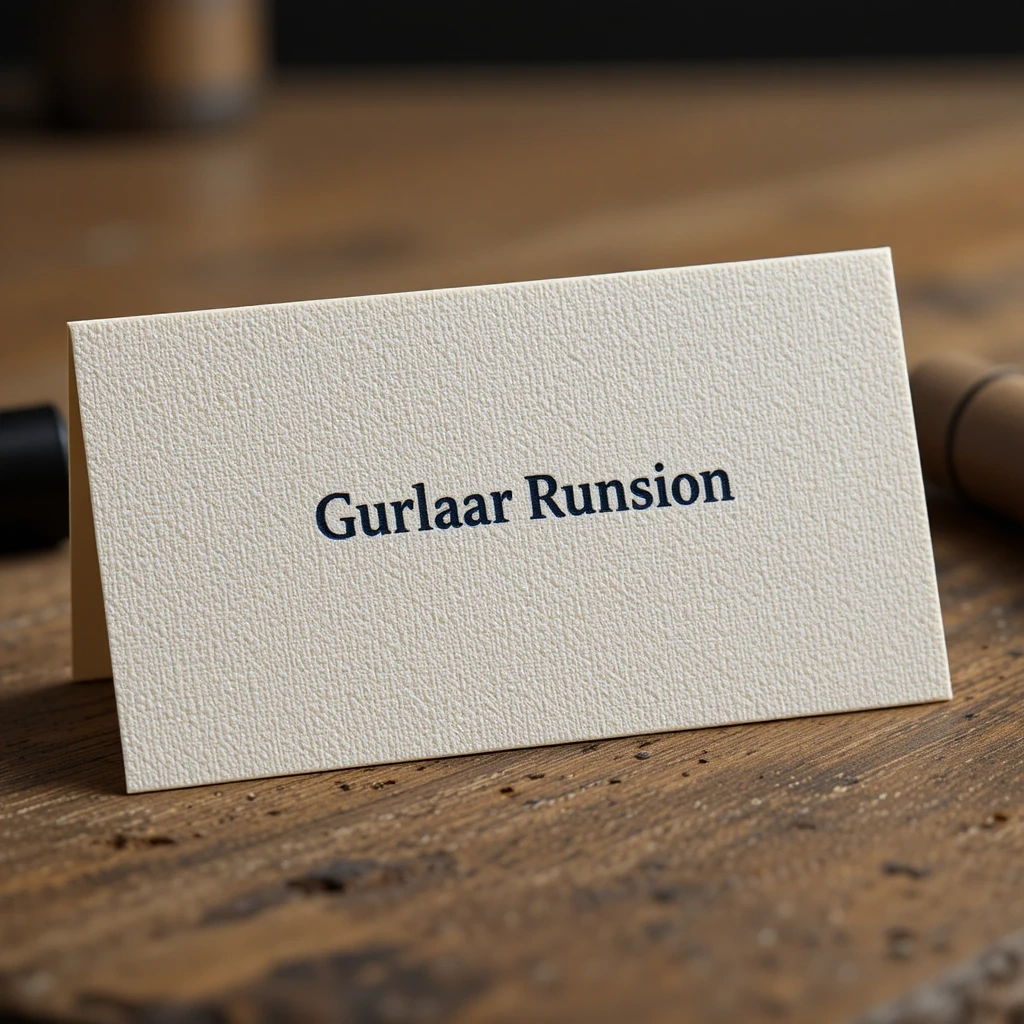
Linen-textured cardstock gives your card a tactile, premium feel that smooth paper simply can’t match. The texture adds subtle sophistication and feels great in the hand — making it far more likely to be noticed and remembered.
Materials:
- Linen-textured cardstock (available at office supply or craft stores)
- Home printer or print-ready file for a print shop
- Design software
Steps:
- Design your card layout keeping it clean and simple to let the texture shine.
- Test print on regular paper to check alignment.
- Load linen cardstock into your printer carefully.
- Print in high quality (use photo or fine print mode).
- Trim to size if needed.
Time: 15–20 min | Difficulty: Easy Best Use Case: Lawyers, real estate agents, financial advisors, luxury brands Creative Variation: Use a deep navy or forest green ink color to contrast beautifully against the natural linen tone.
9. Die-Cut Shaped Card
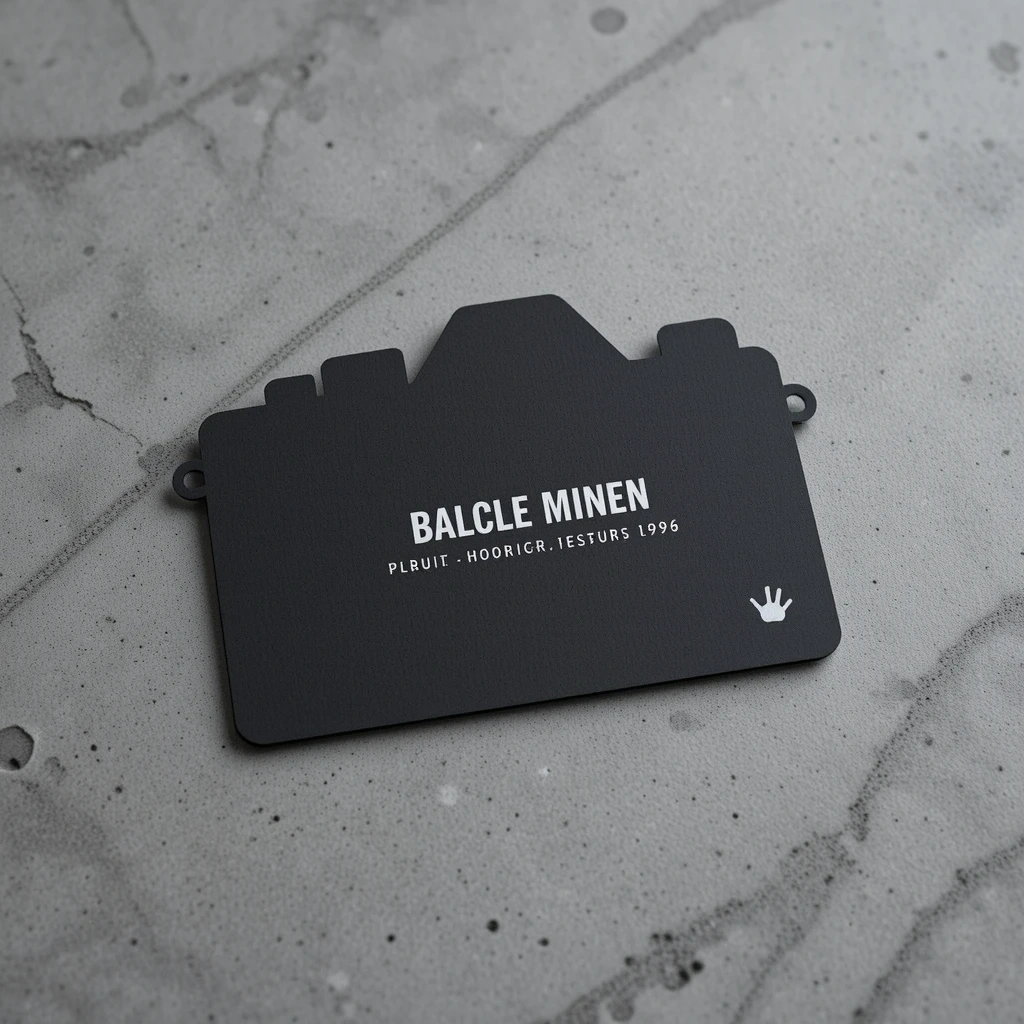
Creative 15 Business Cards Ideas: Shape It Up
Who says a business card must be a rectangle? Die-cut cards come in custom shapes — a key for a locksmith, a house for a realtor, a leaf for an eco brand, or a camera for a photographer. They’re conversation starters that tell your story at a glance, and they represent one of the most fun angles in the world of 15 business cards ideas.
Materials:
- Cardstock
- Die-cutting machine (like Cricut) or order from a print shop that offers custom shapes
- Design template matching your chosen shape
Steps:
- Choose a shape that represents your brand or profession.
- Design artwork that fits within the custom shape using the print shop’s template or your Cricut software.
- If DIY, cut with a Cricut after printing. If ordering, upload your design to an online print shop.
- Double-check bleed areas so no important text is cut off.
- Review a test cut before printing a full batch.
Time: 20–30 min | Difficulty: Medium Best Use Case: Photographers, real estate agents, chefs, wellness brands, creative studios Creative Variation: Add a small hang hole so it can double as a gift tag.
10. Chalkboard Style Card
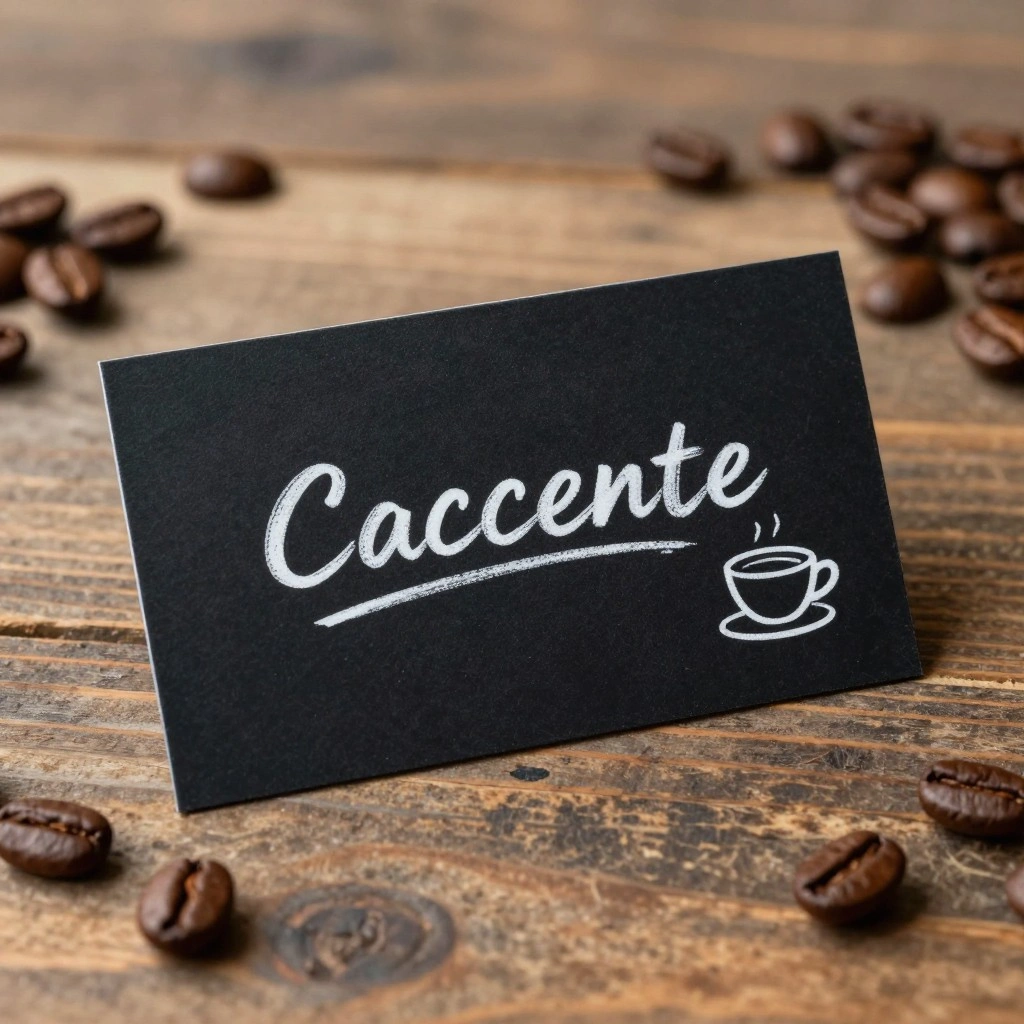
A dark background with chalk-style lettering gives cards a cozy, artisan feel — perfect for food businesses, handmade shops, and lifestyle brands. This design mimics the look of a café chalkboard menu and feels friendly and creative.
Materials:
- Black or dark grey cardstock
- White ink pen (for DIY) or print-ready chalkboard design
- Chalk-effect fonts (free on Google Fonts or Canva)
Steps:
- Start with a dark background — either print on black cardstock or use digital design.
- Choose a chalk-style or handwritten font.
- Add your information in white, keeping the layout loose and informal.
- Include a small illustrated icon (a mug, leaf, or star) for extra charm.
- Print and trim.
Time: 15–25 min | Difficulty: Easy Best Use Case: Cafés, bakeries, food trucks, craft sellers, farmers’ market vendors Creative Variation: Add a soft texture overlay in your design software to enhance the chalkboard effect.
11. Foil Accent Card
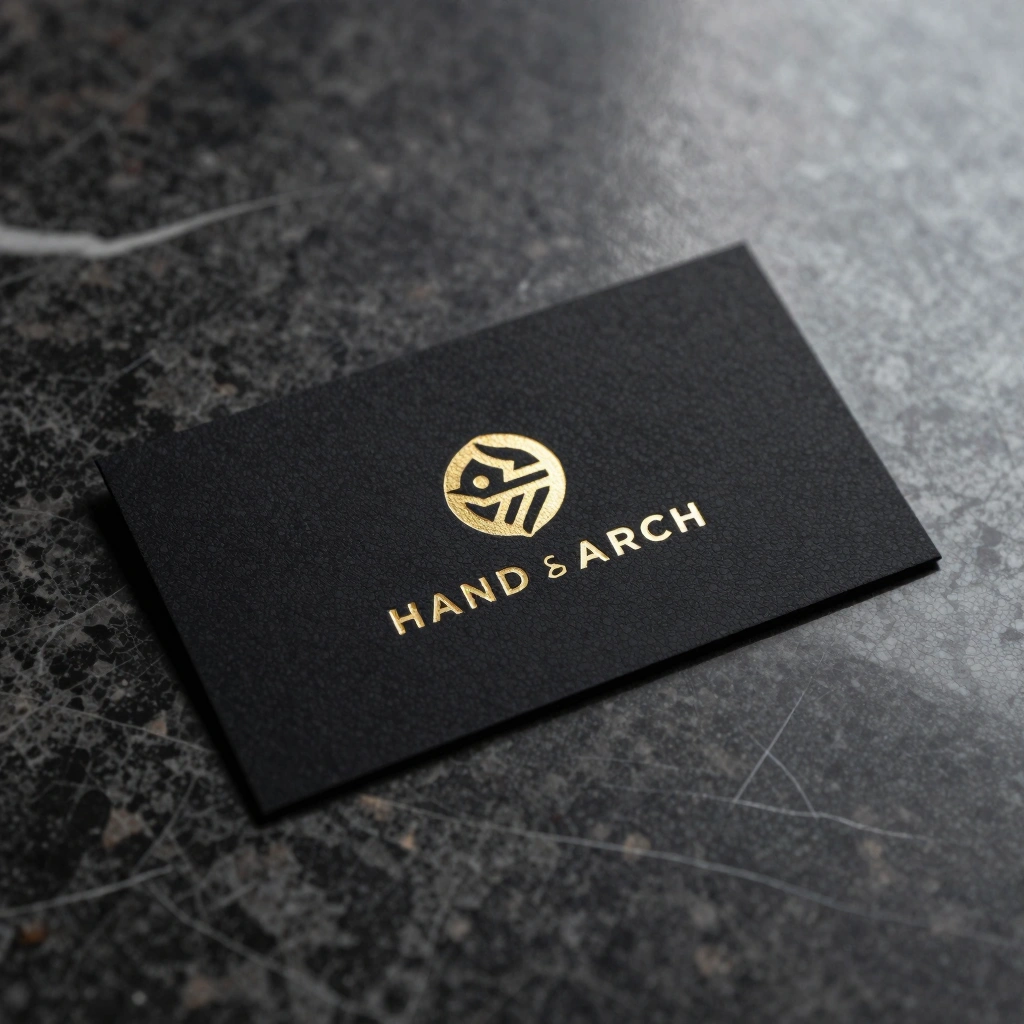
Gold or silver foil accents elevate any business card from ordinary to luxurious. Even a single foil line, border, or logo mark makes a card feel premium and polished. Foil printing is available through many online print shops at an affordable price point.
Materials:
- Thick matte cardstock
- Design with clearly defined foil elements (logo, name, or border)
- Online print shop offering foil printing (e.g., Moo, Vistaprint Premium, or local printers)
Steps:
- Identify which elements of your card you want in foil (typically the logo or your name).
- Create a separate layer in your design file for the foil elements.
- Submit your design to a foil-printing service following their template guidelines.
- Review the digital proof before approving the order.
- Allow 5–7 business days for printing and delivery.
Time: 20–30 min design time | Difficulty: Easy to Medium Best Use Case: Luxury brands, wedding businesses, jewelry designers, high-end consultants Creative Variation: Combine a deep navy or black background with rose gold foil for maximum elegance.
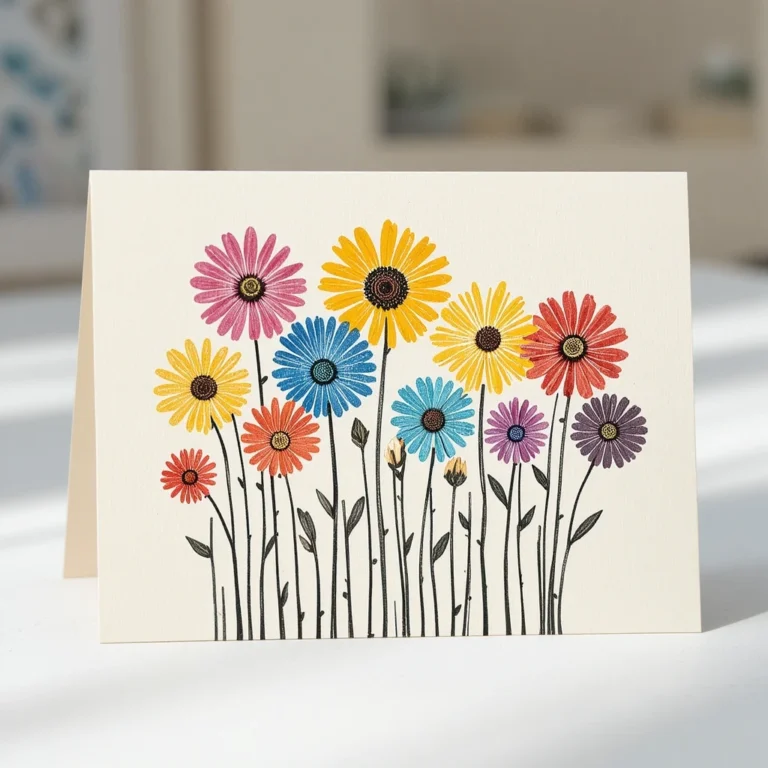
12. Hand-Stamped Card
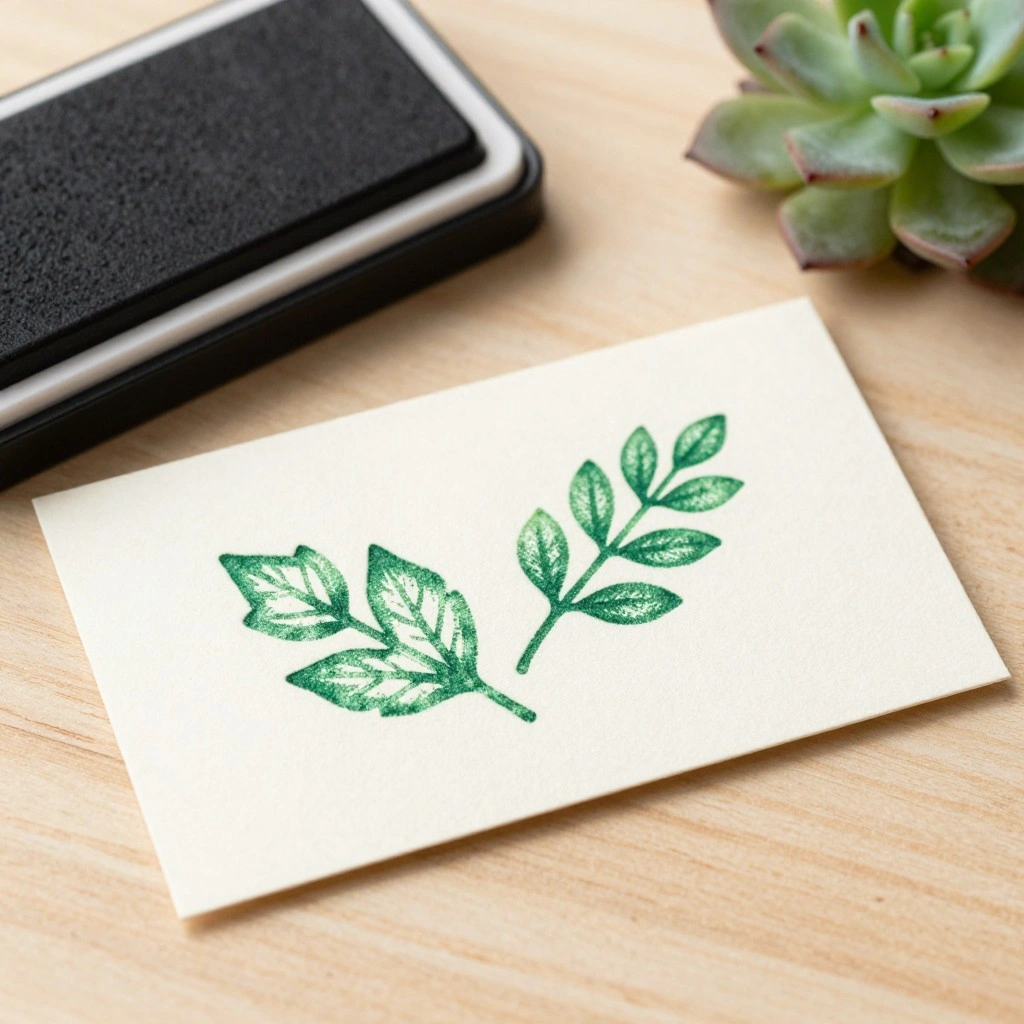
15 Business Cards Ideas for the Hands-On Creative
Hand-stamped cards are one of the most personal and charming 15 business cards ideas for makers and creatives. Using rubber stamps and ink pads, you can create beautifully imperfect, one-of-a-kind cards at very low cost. No two will be exactly alike, which adds to their charm.
Materials:
- Blank white or kraft cardstock
- Rubber stamps (custom name stamp or botanical/geometric designs)
- Ink pads in your brand colors
- Fine tip marker for additional details
Steps:
- Choose your stamps — one for your brand name or logo, and one for a decorative element.
- Press the stamp firmly onto the ink pad and then onto the cardstock with even pressure.
- Allow to dry fully before stacking.
- Add your phone number or website with a fine marker or a second smaller stamp.
- Trim cards to size if using pre-cut blanks.
Time: 20–30 min | Difficulty: Easy Best Use Case: Craft sellers, handmade business owners, Etsy shops, market vendors Creative Variation: Use a heat embossing powder on your stamped design for a raised, shiny finish.
13. Transparent Plastic Card
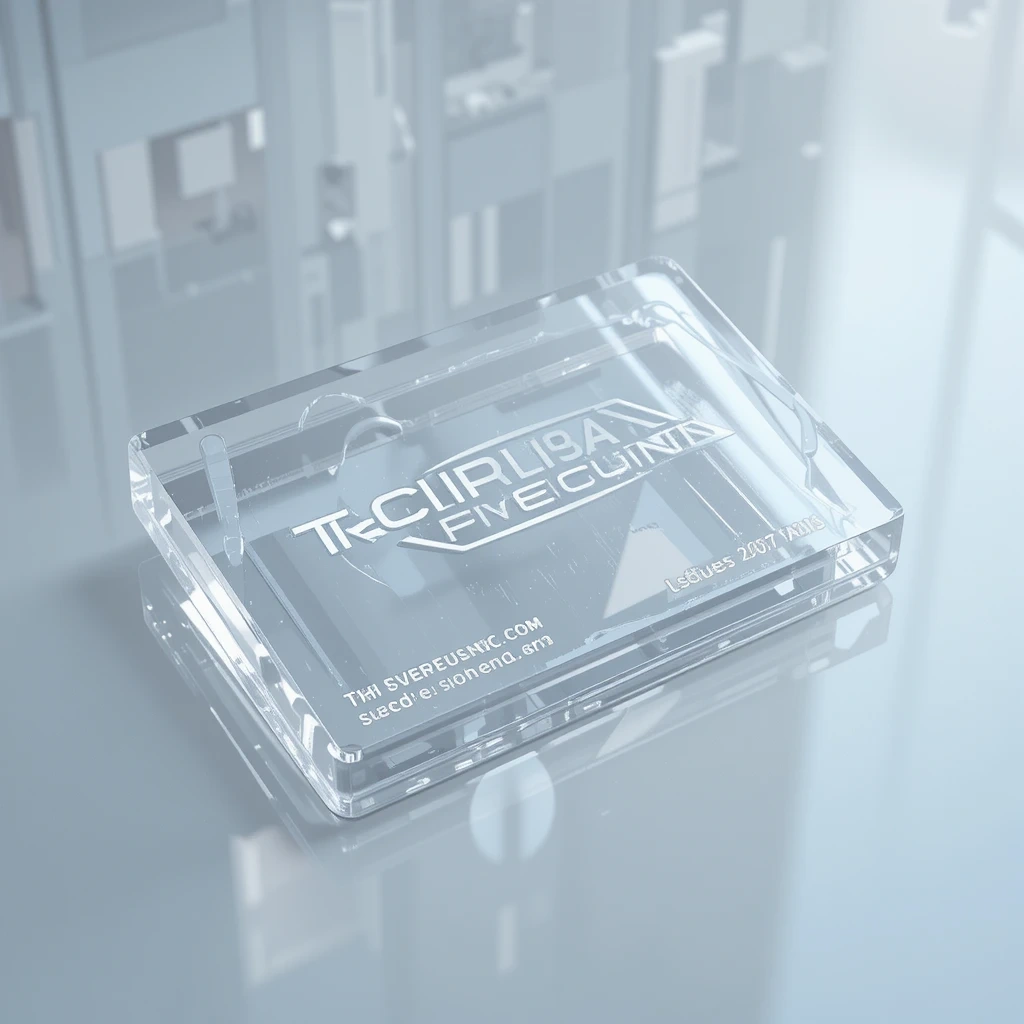
Frosted or clear plastic business cards look futuristic and sleek. They stand out immediately in any context and feel surprisingly lightweight and premium. These are especially effective for tech companies, photographers, and modern creative businesses.
Materials:
- Transparent or frosted PVC card blanks (order online in bulk)
- UV or digital printing service compatible with plastic
- Minimalist design with strong contrast
Steps:
- Design your card using white or metallic ink on the transparent template.
- Keep design elements minimal — less is more on clear material.
- Submit to a print shop that specializes in plastic or PVC card printing.
- Request a digital proof to ensure contrast and readability.
- Order a sample batch first before committing to a large quantity.
Time: 20–25 min design time | Difficulty: Medium Best Use Case: Tech professionals, photographers, modern creatives, DJs, event planners Creative Variation: Request a frosted finish on one side and clear on the other for contrast.
14. Scented Card
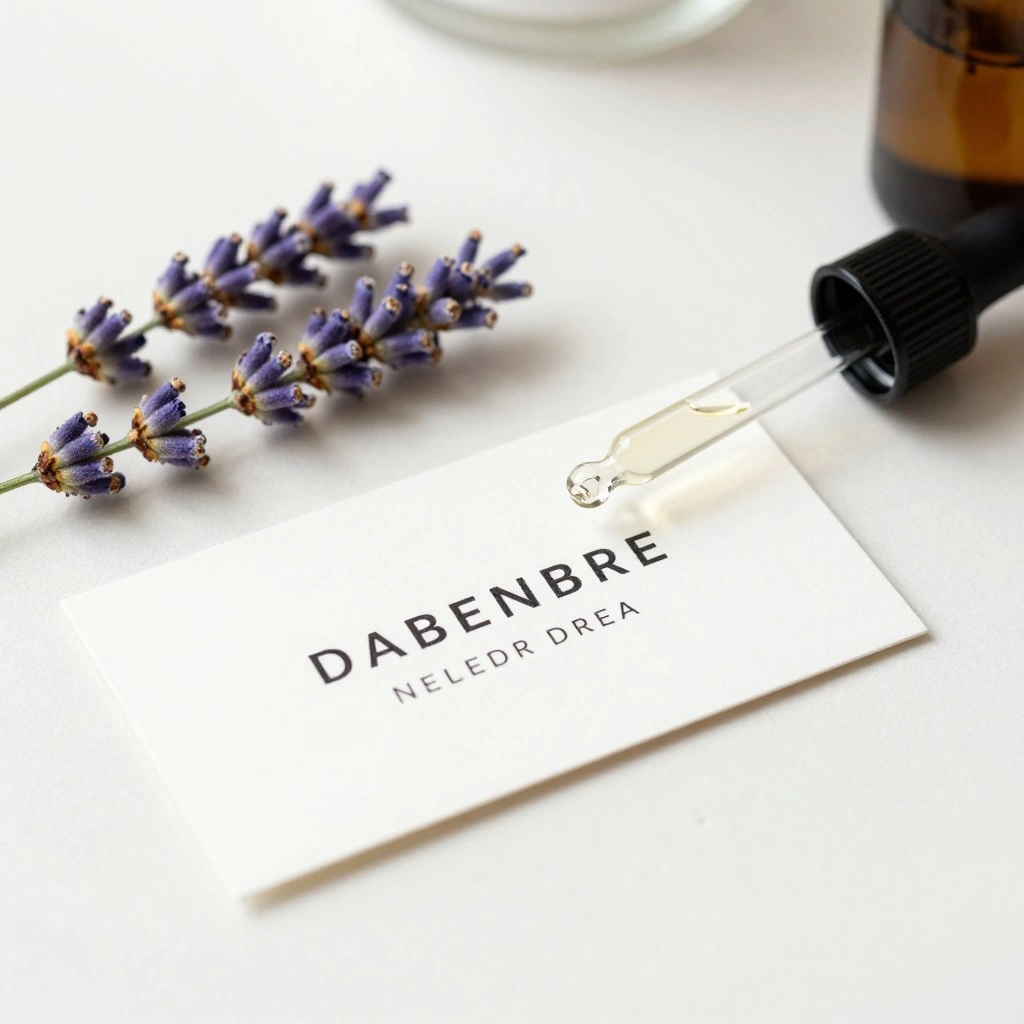
Scented business cards are rare — and that rarity makes them unforgettable. By infusing your card with a subtle fragrance relevant to your brand (lavender for a spa, coffee for a café, or cedar for a woodworking studio), you create a multisensory brand experience that people talk about.
Materials:
- Cardstock
- Essential oils or scented wax
- Small sealable bags for storage and gifting
- Printer and design file
Steps:
- Design and print your card on standard cardstock.
- Lightly apply a drop of essential oil to the back corner of each card using a cotton swab.
- Allow to dry fully in a ventilated area (30–60 minutes).
- Store in small sealable bags to preserve the scent.
- Hand out individually or in small branded envelopes.
Time: 30 min | Difficulty: Easy Best Use Case: Spas, wellness brands, bakeries, cafés, candle makers, florists Creative Variation: Match the scent to your brand signature — lavender, rose, vanilla, or cedar all work beautifully.
15. Vertical Layout Card
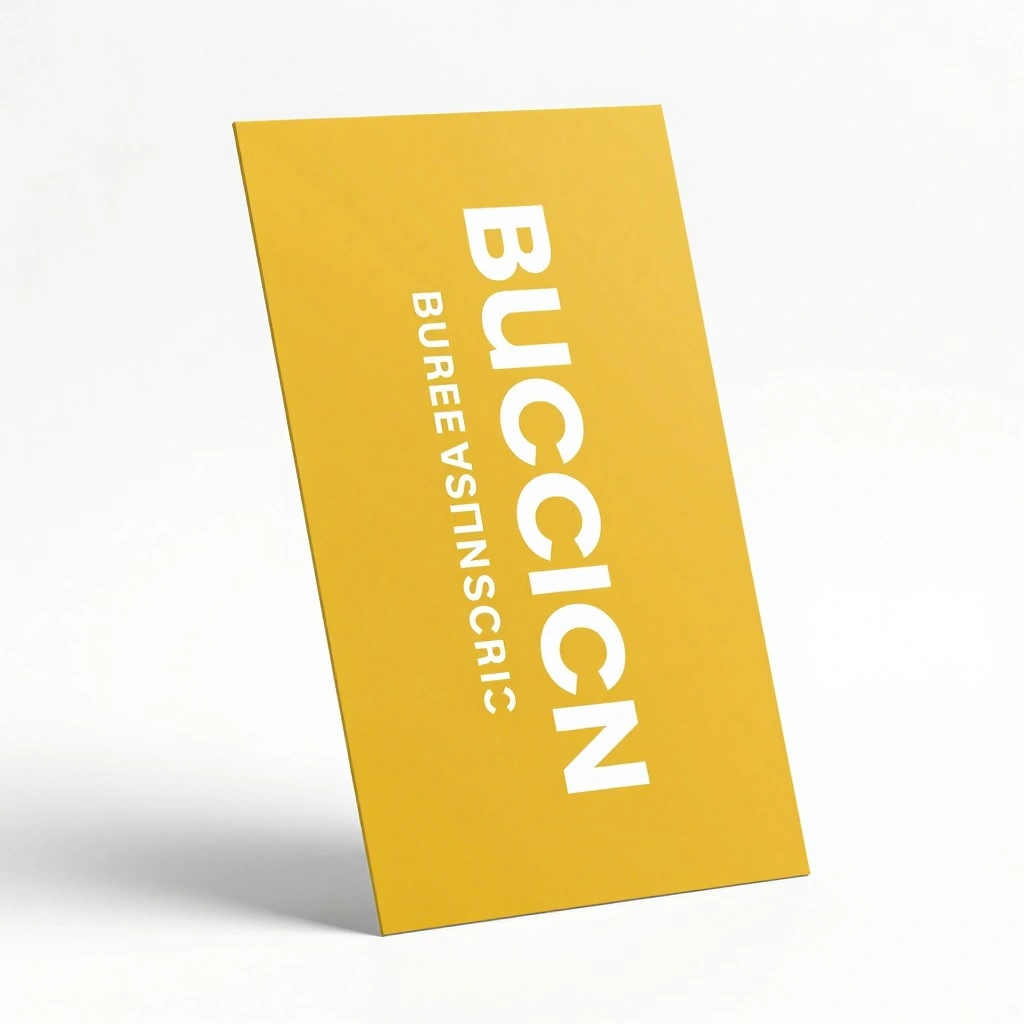
Flipping the orientation of your card is a simple but surprisingly effective design move. A vertical card stands out immediately in a horizontal world and gives your layout a fresh, modern feel. It’s one of the easiest changes you can make to look noticeably different from every other card in the stack.
Materials:
- Cardstock
- Design software
- Printer or print shop
Steps:
- Open your design tool and set dimensions to 2 x 3.5 inches (portrait orientation).
- Rearrange your information vertically — name at top, contact at bottom.
- Use vertical alignment for logo and dividing lines.
- Print and trim as usual.
- Consider a contrasting back side for extra visual impact.
Time: 15–20 min | Difficulty: Easy Best Use Case: Designers, photographers, stylists, brand consultants, modern professionals Creative Variation: Add a bold color block on the top third to frame your name dramatically.
Best Occasions to Use These Business Card Ideas
Not every card fits every event. Here’s a quick guide to matching your card style to the moment:
| Occasion | Best Card Type |
|---|---|
| Networking events / conferences | Foil, QR code, minimalist |
| Farmer’s markets / craft fairs | Kraft paper, seed paper, hand-stamped |
| Client meetings | Linen texture, foil accent, folded booklet |
| Creative expos / art fairs | Watercolor, die-cut, transparent |
| Casual introductions | Chalkboard, rounded corner, vertical layout |
| Eco-focused events | Seed paper, kraft paper |
Common Mistakes to Avoid
1. Overcrowding the card with too much information Your card doesn’t need to tell your whole life story. Stick to your name, title, one or two contact details, and your website or QR code. White space is your friend — it makes everything easier to read.
2. Using low-resolution artwork or logos A pixelated logo is one of the fastest ways to make a card look unprofessional. Always use vector files (SVG or EPS) or high-resolution PNGs (at least 300 DPI) for print.
3. Skipping a test print before ordering in bulk Colors on screen look different on paper. Always print a single test card at your local print shop or on your home printer before committing to 250+ copies.
Tips for Best Results
- Stick to two fonts maximum — one for your name and one for details.
- Use your brand colors consistently — every card should feel like part of your visual identity.
- Keep text at least 2mm away from the card edge to avoid accidental trimming.
- Choose the right finish — matte for a modern feel, glossy for bold colors, textured for premium vibes.
- Always include a QR code — even on artistic or DIY cards, a QR code keeps you digitally accessible.
- Order a small batch first — print 25–50 cards to test before ordering 500.
Frequently Asked Questions
What is the standard size for a business card? The most common size in the US is 3.5 x 2 inches. In Europe, 85 x 55mm is standard. Vertical cards use the same dimensions but in portrait orientation.
Can I make business cards at home? Absolutely. With a good printer, thick cardstock, and a free design tool like Canva, you can create professional-looking cards at home. Foil, embossing, and die-cutting may require professional printing.
What information should go on a business card? At minimum: your full name, job title, phone number, email address, and website or social media handle. A QR code can replace several of these fields with a single scannable link.
What’s the best paper weight for business cards? Look for cardstock between 300–400gsm. Anything thinner feels flimsy. Linen and textured options also add a premium feel regardless of weight.
How many business cards should I order at a time? For most people, 100–250 cards is a good starting point. If your information is stable (no upcoming address or role changes), 500 is often more cost-effective per card.
Are seed paper business cards durable? They’re durable enough for normal use but shouldn’t be stored in humid environments. Keep them in a card holder or sleeve until you’re ready to hand them out.
Conclusion
A great business card does more than share your contact details — it tells your story, communicates your values, and leaves a lasting impression. Whether you lean toward sleek minimalism, eco-friendly seed paper, or a bold die-cut shape, the right card makes your first impression count.
Take one of these ideas, make it yours, and hand it out with confidence. Your next big connection might start with a single card.