10 Creative Student Council Posters That Grab Attention Fast
Running for student council is one of the most exciting things you can do in school — but your campaign is only as strong as the impression you make in the hallways. A well-designed poster can stop someone mid-walk, spark curiosity, and turn a stranger into a voter in seconds.
Whether you’re a first-time candidate or a returning class officer, the right visual strategy makes all the difference. This article gives you 10 creative, easy-to-make student council posters that are affordable, eye-catching, and genuinely effective at winning votes. These ideas are designed for real students with limited budgets and limited time.
1. The Bold Slogan Poster
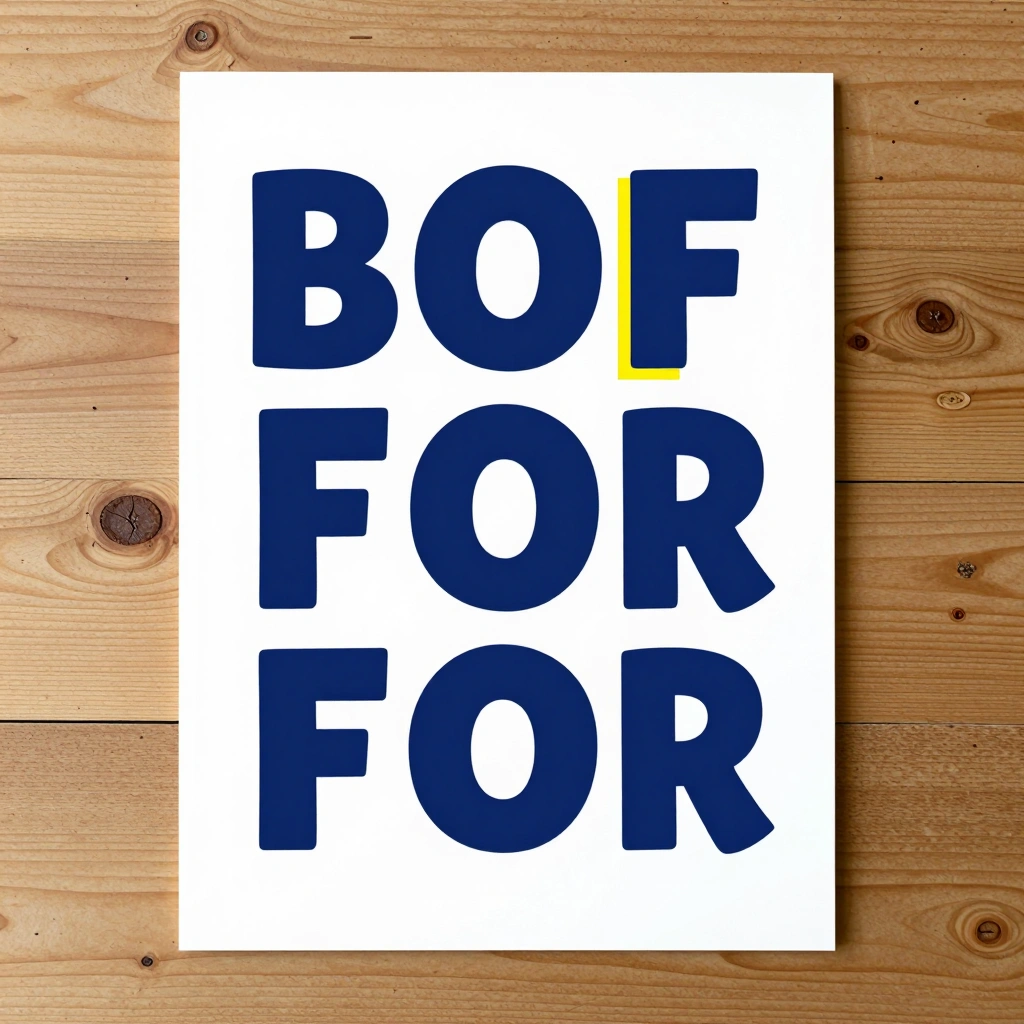
A strong slogan is the backbone of any great campaign, and this design lets the words do all the heavy lifting. Keep it short, punchy, and memorable — think bumper sticker energy on poster paper. This style works especially well for candidates who want a clean, professional look without a lot of design experience.
Materials:
- Poster board (22″ x 28″)
- Black and one accent-color marker (thick tip)
- Ruler
- Pencil for draft lines
Steps:
- Lightly pencil in a large centered text box taking up 60% of the poster.
- Write your slogan in large, bold block letters.
- Add your name and position in smaller text below.
- Outline letters in black, then fill with your accent color.
- Add a simple border around the poster edge.
Time: 20 minutes | Difficulty: Easy
Best Use Case: Hallway bulletin boards, classroom doors
Creative Variation: Use a speech bubble shape around your slogan to make it feel conversational and approachable.
2. The Photo + Name Poster
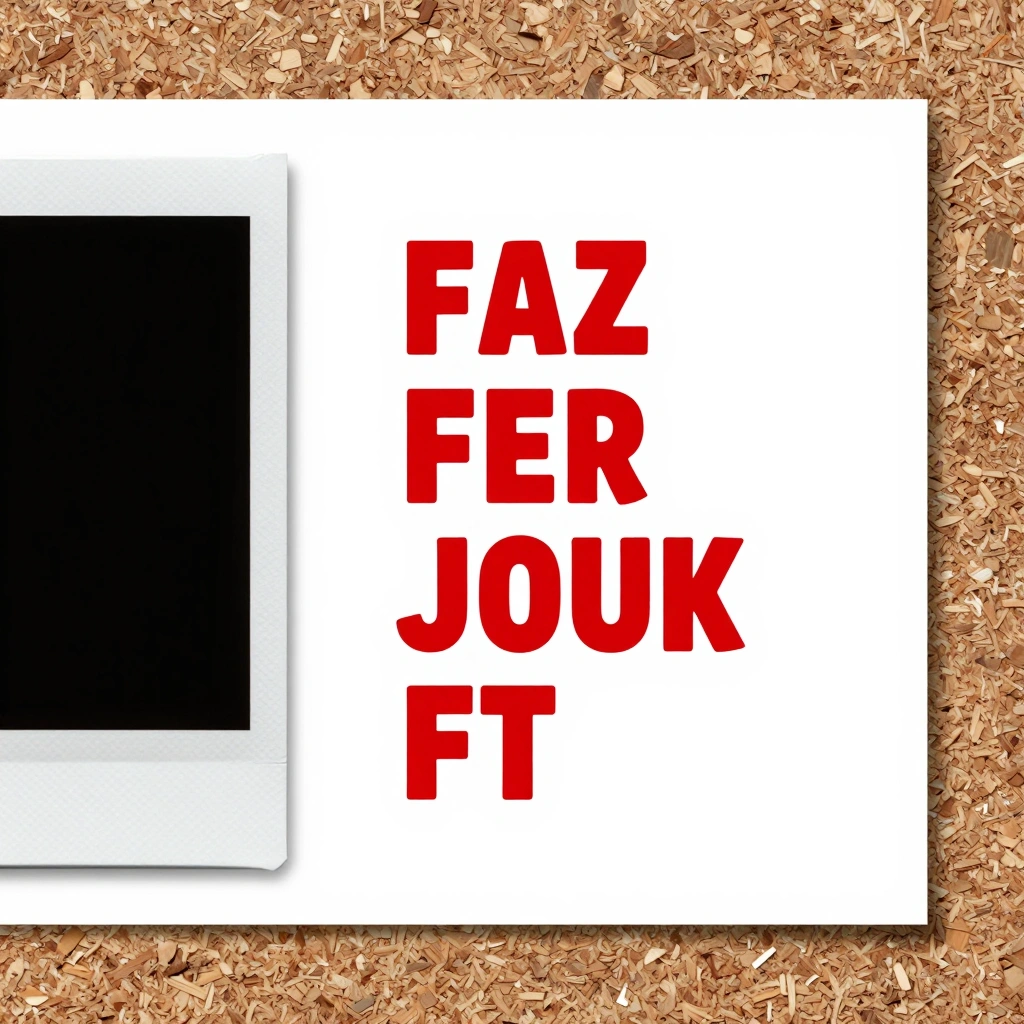
Voters connect with faces. This poster puts your photo front and center alongside your name and one key promise, making it feel personal and trustworthy. It’s one of the most effective designs because people are naturally drawn to recognizing faces.
Materials:
- Printed headshot (4×6 or 5×7)
- Poster board
- Glue stick
- Colored markers or printed text strips
- Scissors
Steps:
- Print a clear, smiling headshot.
- Glue the photo slightly left of center on your poster.
- Write your name in large letters to the right of the photo.
- Below your name, add one short campaign promise (“More school events!” or “Your voice matters.”).
- Add your grade and position running for at the bottom.
Time: 15 minutes | Difficulty: Easy
Best Use Case: Near entrances, cafeteria walls
Creative Variation: Use a Polaroid-style border around your photo by cutting a white cardstock frame for a trendy, retro feel.
3. The Colorblock Poster
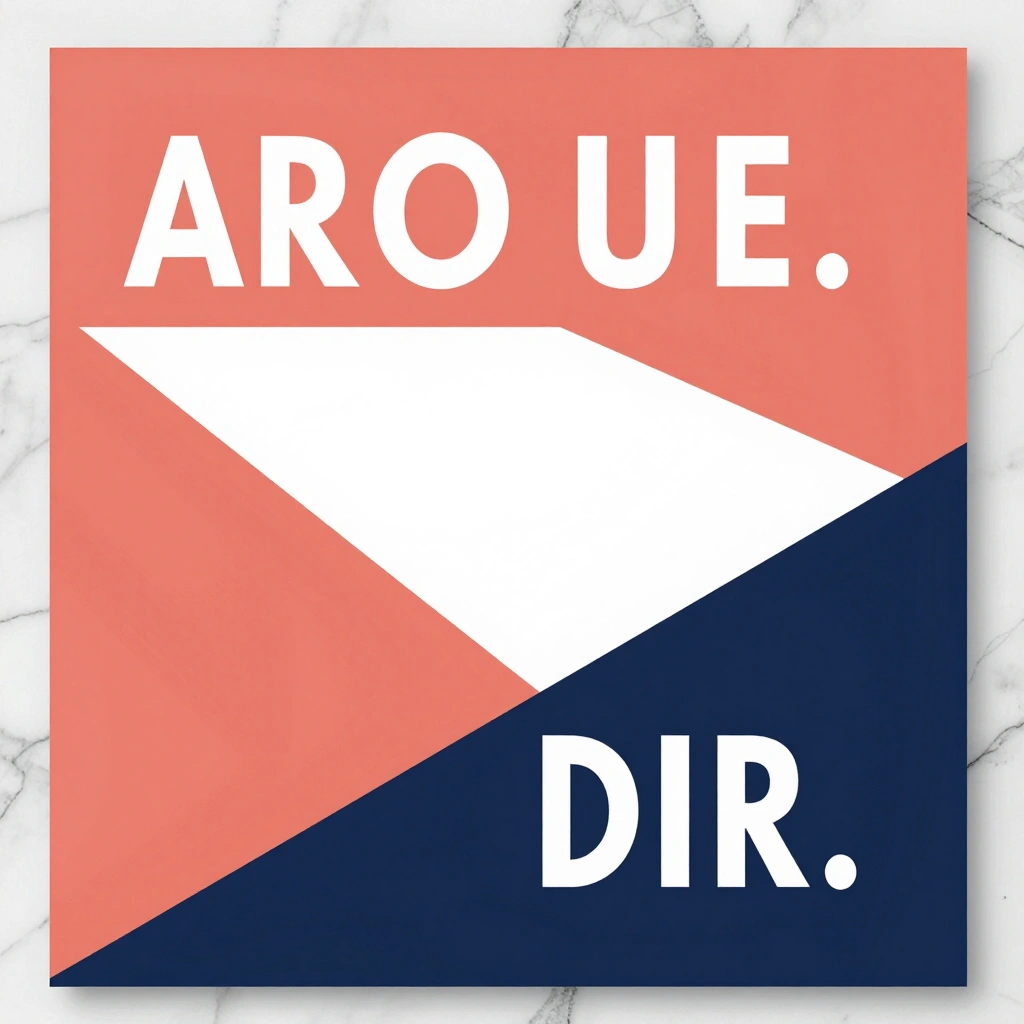
Colorblocking is a design trend that’s eye-catching and incredibly simple to pull off. Split your poster into two or three sections of contrasting colors and place your text strategically across each block. It reads as modern and intentional even with minimal design skill.
Materials:
- White poster board
- Acrylic paint or wide-tip markers (2–3 bold colors)
- Painter’s tape
- White gel pen or white paint marker
Steps:
- Tape off two or three horizontal sections of your poster.
- Fill each section with a different bold color using markers or paint.
- Let it dry, then remove tape.
- Write your name in one section and your slogan in another using a contrasting color or white pen.
- Add your position running for in the third section.
Time: 25 minutes | Difficulty: Easy–Medium
Best Use Case: Hallways, gym walls
Creative Variation: Try diagonal color blocks instead of horizontal for a more dynamic, energetic feel.
4. The Themed Campaign Poster
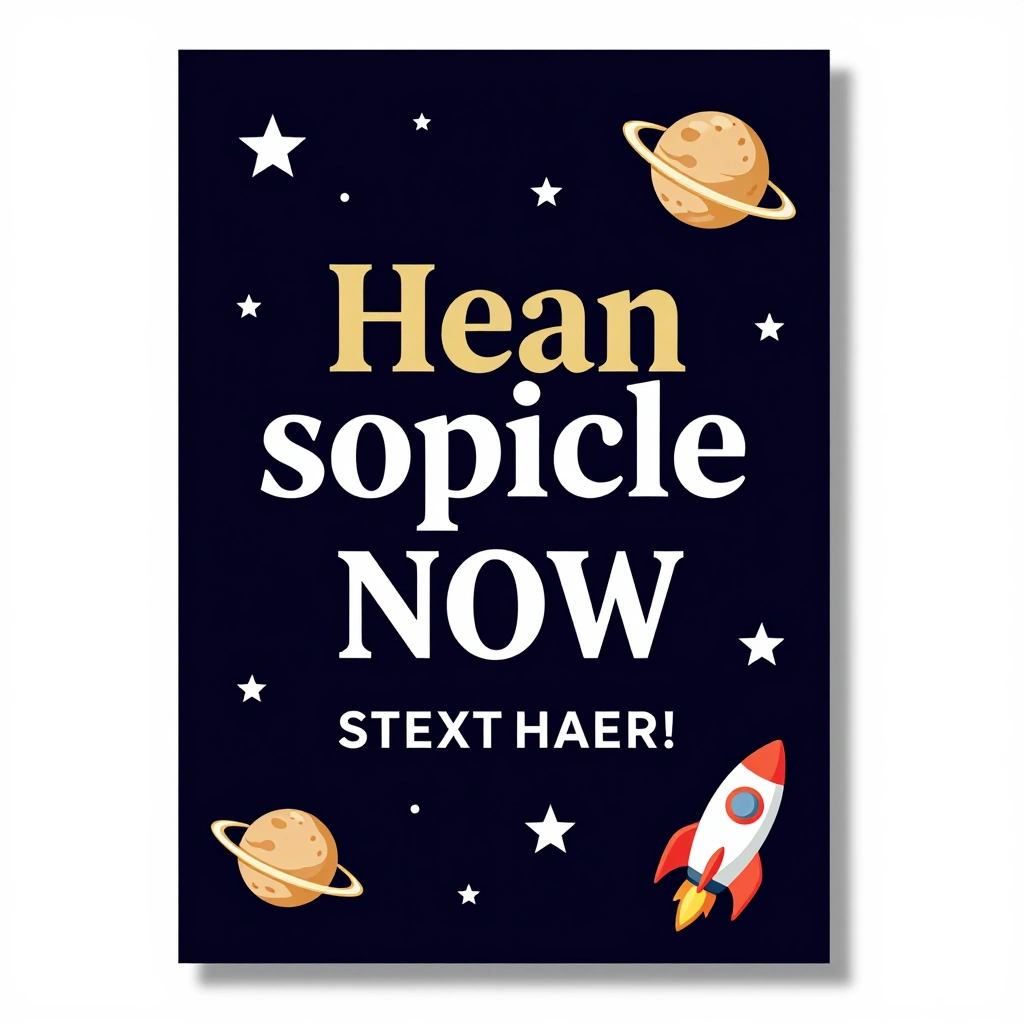
Pick a fun, memorable theme and commit to it across all your campaign materials. Popular themes include space (“Reach for the Stars — Vote [Name]!”), sports, nature, or even a favorite TV show aesthetic. A theme makes your campaign cohesive and gives it personality.
Materials:
- Poster board
- Themed stickers or printed clipart
- Colored markers
- Printed theme-related images (optional)
Steps:
- Choose a theme that reflects your personality or your platform.
- Design your layout so the theme imagery surrounds or frames your text.
- Write your slogan using your theme (e.g., “Don’t be a black hole — vote [Name] for a brighter school!”).
- Add your photo or initials in the center.
- Decorate with stickers or hand-drawn theme elements.
Time: 30 minutes | Difficulty: Medium
Best Use Case: Themed campaigns, student body president races
Creative Variation: Make a mini version as a bookmark or flyer handout to match your poster theme.
5. The Minimalist Black and White Poster
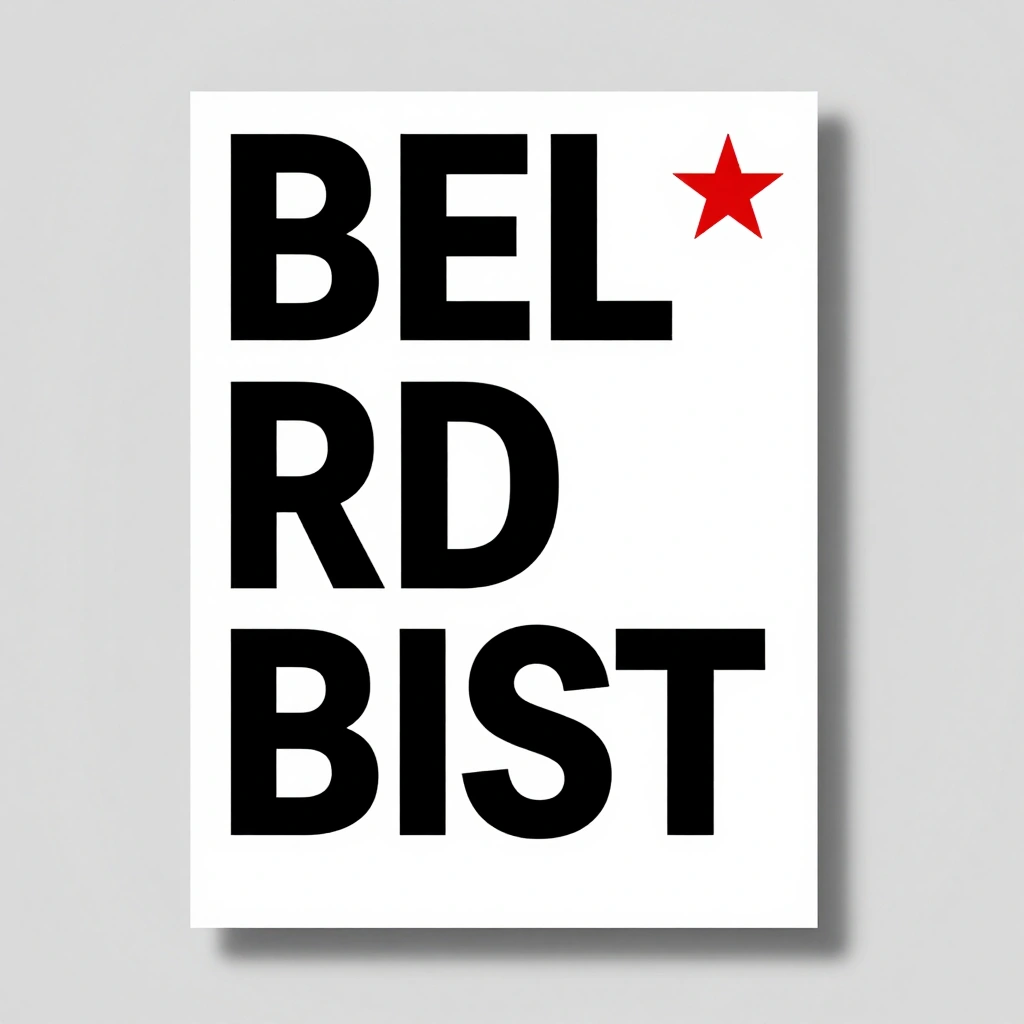
Sometimes less is genuinely more. A stark black-and-white poster with one bold visual element stands out in a sea of rainbow-colored campaign posters. It signals confidence, clarity, and professionalism — qualities voters look for in leaders.
Materials:
- White poster board
- Black marker (thick and thin)
- Ruler
- Optional: single red or yellow accent marker
Steps:
- Use your ruler to draw a strong horizontal line across the upper third of the poster.
- Write your name above the line in large, clean capital letters.
- Below the line, add your slogan in a smaller, neat font style.
- Add one small graphic element (a star, checkmark, or arrow) in your single accent color.
- Keep the rest of the poster white.
Time: 15 minutes | Difficulty: Easy
Best Use Case: Professional settings, class president campaigns
Creative Variation: Use dot grid paper as your poster background for a subtle, modern texture effect.
6. The Whiteboard-Style Poster
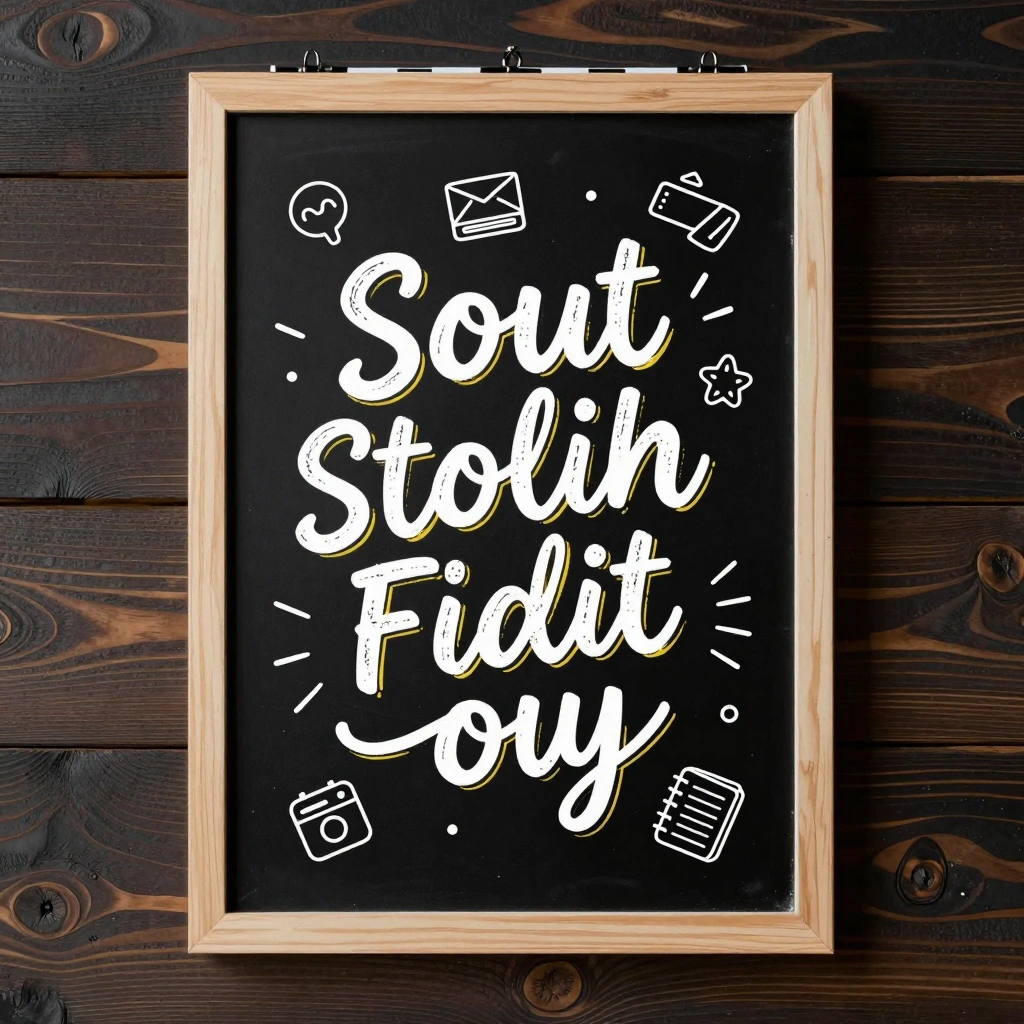
This design mimics the look of a whiteboard or chalkboard and makes your poster feel interactive and approachable — like you’re having a conversation with your voters. Use chalk markers on black poster board for an authentic feel.
Materials:
- Black poster board
- Chalk markers (white, yellow, pink, blue)
- Ruler
Steps:
- Start with black poster board.
- In white chalk marker, write your name in large curvy letters at the top.
- Use a different color to write your platform points as if listing them on a whiteboard.
- Add small doodles (stars, check marks, arrows) to break up the text.
- Box off a section for “Why vote for me?” with a quick 3-point list.
Time: 20 minutes | Difficulty: Easy
Best Use Case: Cafeterias, science rooms, hallways near classrooms
Creative Variation: Leave a “blank” area and write “Your ideas matter too!” — it invites conversation and makes your campaign feel inclusive.
7. The Infographic-Style Poster
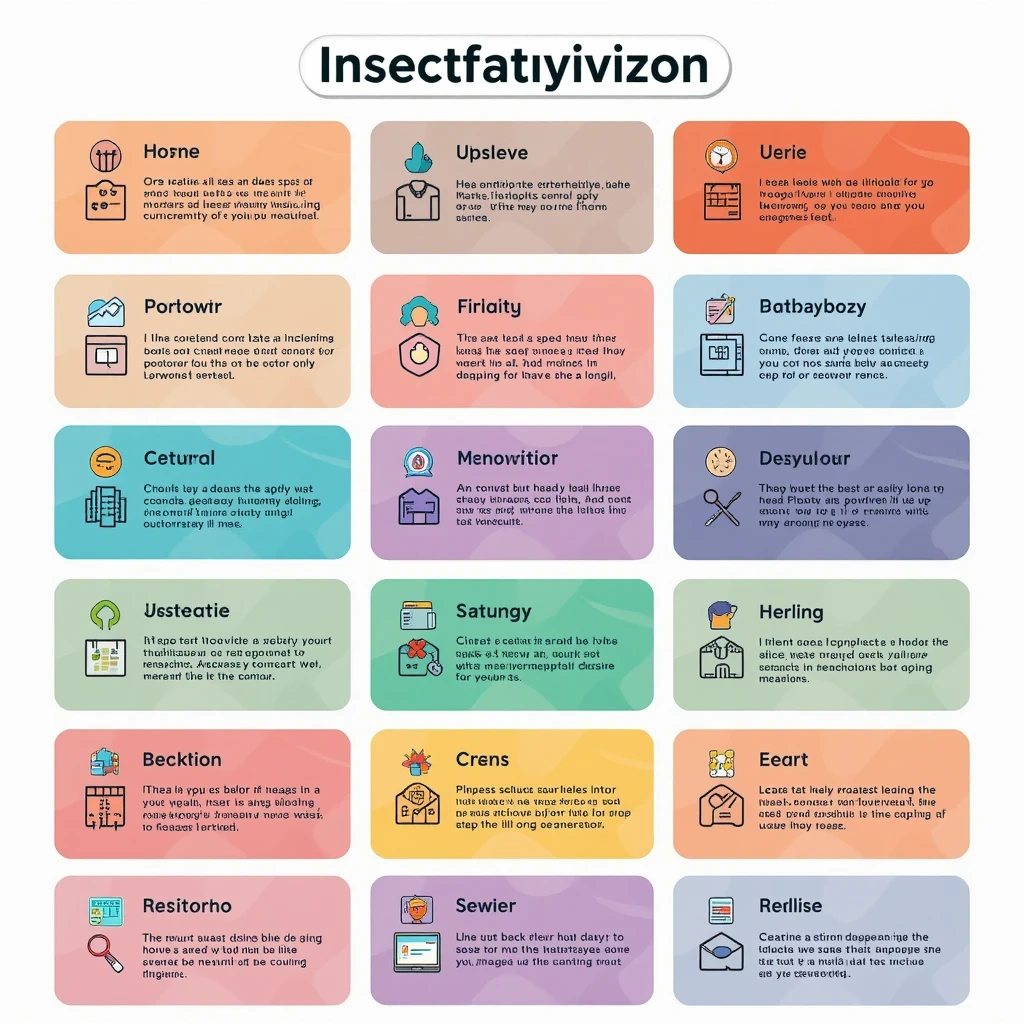
Turn your platform into a visual story. An infographic poster breaks your campaign promises into icons, short stats, and quick bullet points that voters can absorb in under 10 seconds. It shows you’re organized, informed, and ready to lead.
Materials:
- White or light-colored poster board
- Colored markers
- Ruler
- Small stencils or printed icons (optional)
Steps:
- Divide your poster into 3–4 sections using light pencil lines.
- Assign each section a platform promise (“More school events,” “Better lunch options,” etc.).
- Draw a simple icon above each promise (a calendar, a burger, a megaphone).
- Write a one-line explanation under each icon.
- Add your name and position at the top in a bold header.
Time: 30 minutes | Difficulty: Medium
Best Use Case: Information-dense campaigns, treasurer or VP roles
Creative Variation: Use a pie chart or bar graph showing “how I’ll spend time in office” to make it feel data-driven and trustworthy.
8. The Hand-Lettered Artistic Poster
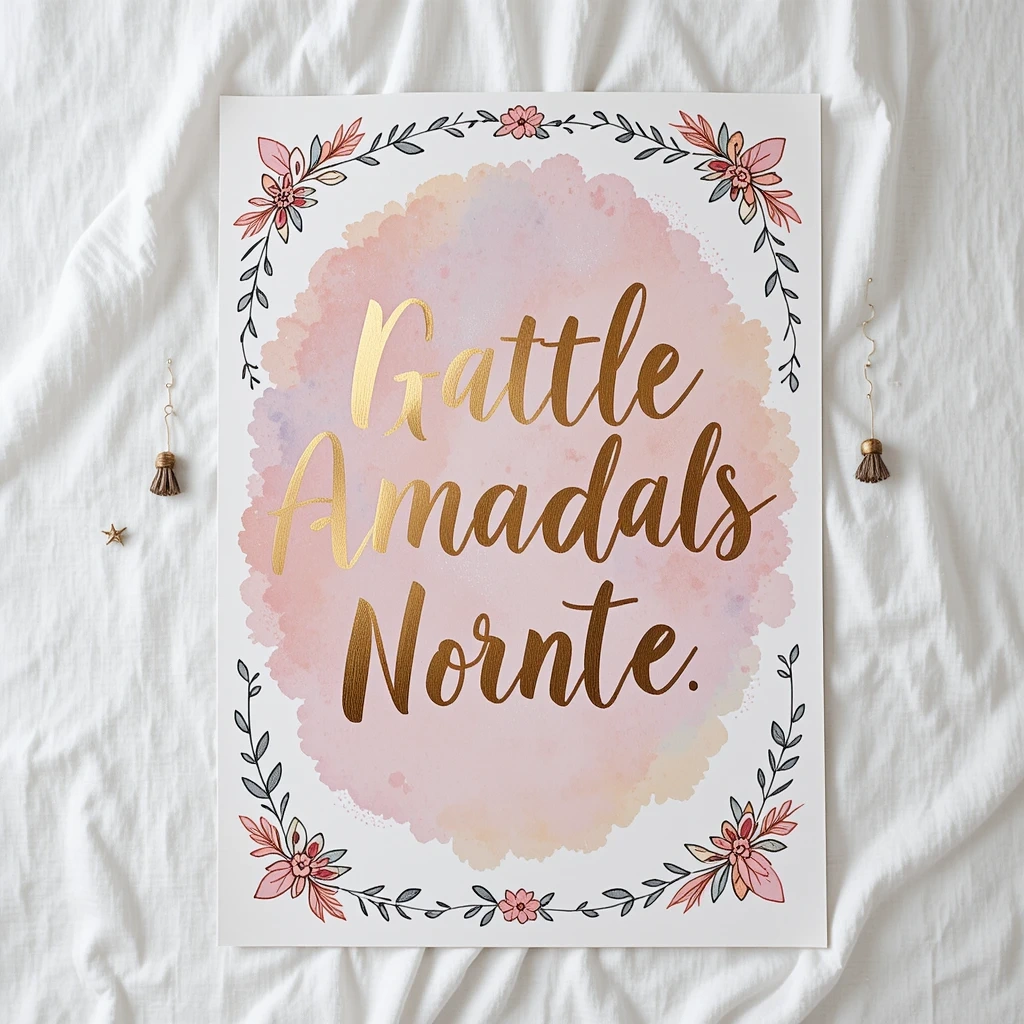
If you have decent handwriting or love art, lean all the way into it. Hand-lettered posters feel warm, creative, and one-of-a-kind. They immediately show personality and stand out against mass-produced or printed campaign materials.
Materials:
- Watercolor paper or thick poster board
- Brush markers or calligraphy pens
- Watercolor paints (optional for background wash)
- Pencil for layout draft
Steps:
- Lightly pencil your layout — where your name, slogan, and info will go.
- Apply a light watercolor wash background if using paints. Let it dry fully.
- Letter your name in a bold calligraphy or brush lettering style.
- Add your slogan in a contrasting, simpler font style below.
- Decorate with hand-drawn florals, leaves, or geometric shapes around the border.
Time: 30 minutes | Difficulty: Medium
Best Use Case: Art rooms, creative campaigns, secretary or treasurer roles
Creative Variation: Use a dip pen with gold or silver ink for lettering that catches light and looks genuinely luxurious.
9. The Digital-Print Poster
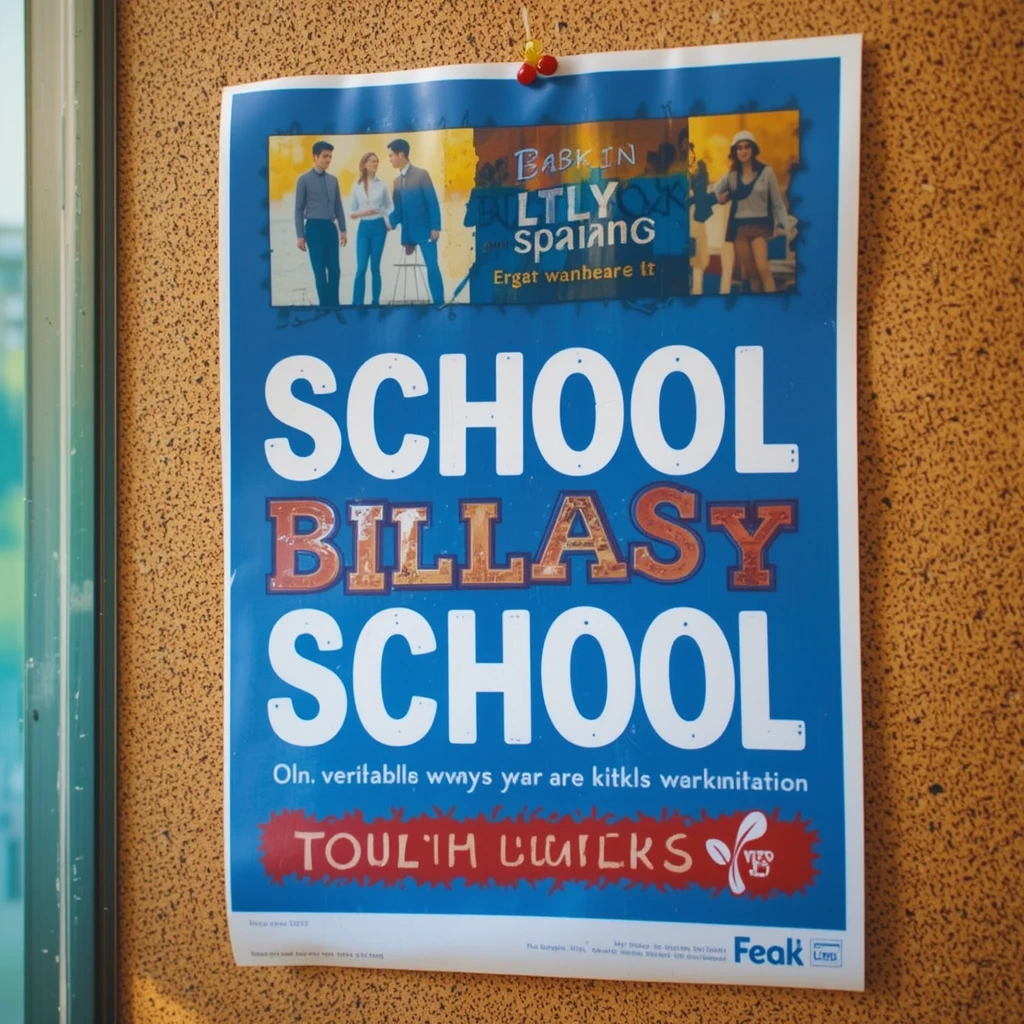
Design it on Canva, Google Slides, or any free design tool, then print it out at a library or office supply store. This approach gives you access to professional-looking fonts, icons, and layouts that are nearly impossible to replicate by hand.
Materials:
- Laptop or tablet with Canva (free)
- USB drive or email for file transfer
- Access to a color printer (library, FedEx, Walgreens)
- Tape or poster adhesive
Steps:
- Open Canva and search “campaign poster” for pre-made templates.
- Swap in your name, photo, slogan, and school colors.
- Download as a high-resolution PDF.
- Print at 11″x17″ or larger at a local print shop.
- Laminate if possible for durability.
Time: 20 minutes design + print time | Difficulty: Easy
Best Use Case: Any location — the most versatile option on this list
Creative Variation: Create a matching set — poster, half-sheet flyer, and phone wallpaper — all with the same design for a fully cohesive campaign.
10. The Interactive Poster
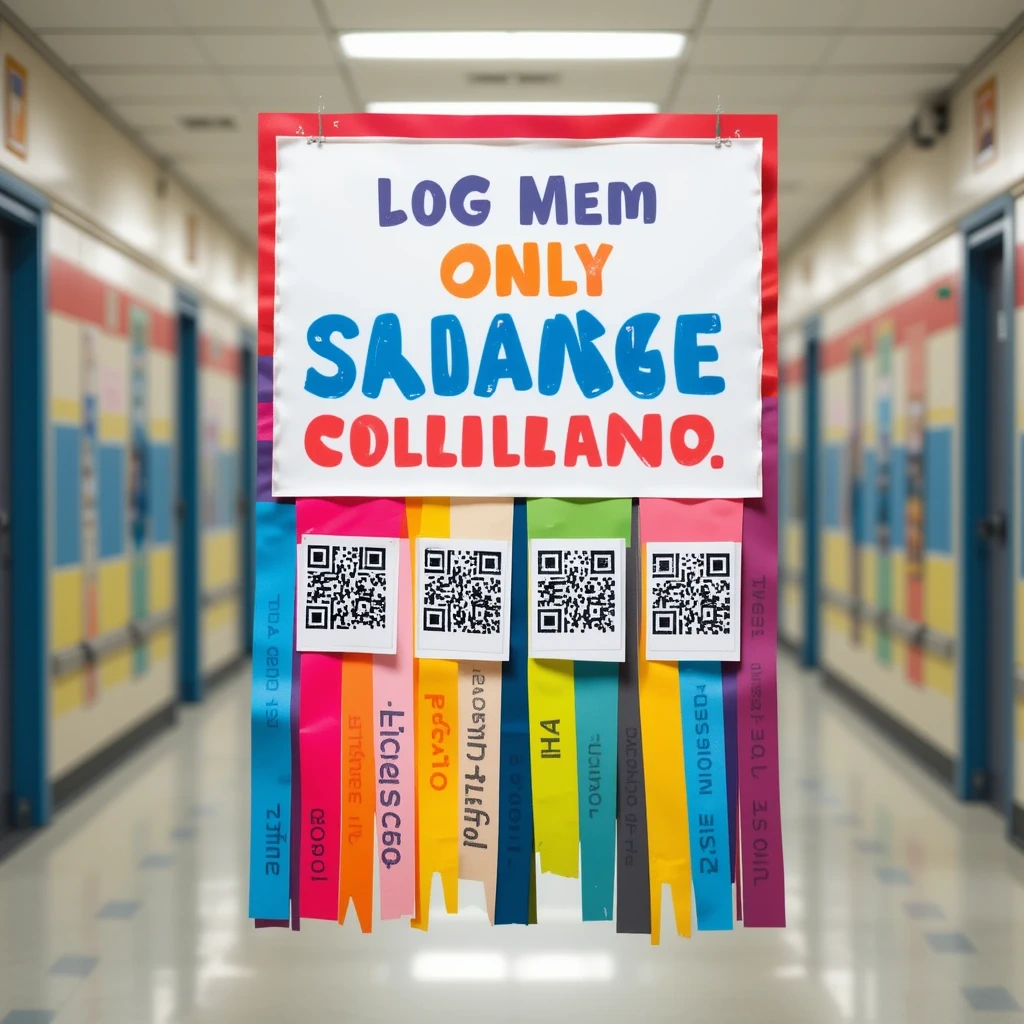
This is the wildcard — and the one people will talk about. An interactive poster invites voters to physically engage with it, which makes it ten times more memorable. Think tear-off strips, QR codes, or “vote for your favorite idea” sticky note sections.
Materials:
- Poster board
- Pre-cut tear-off strips (for QR codes or fun facts)
- QR code (link to a Google Form for voter input)
- Colored markers
- Tape or glue for strip attachment
Steps:
- Design the main poster with your name and slogan at the top.
- At the bottom, attach tear-off strips with your QR code printed on each.
- The QR code can link to a Google Form asking “What do you want me to fix at school?” or a short intro video.
- Add a callout bubble: “Scan me to share your ideas!”
- Check the form daily and reference voter suggestions in your speech.
Time: 25 minutes | Difficulty: Medium
Best Use Case: Hallways, near the cafeteria, any high-traffic area
Creative Variation: Replace tear-off strips with sticky notes for an even more tactile, collaborative experience — let students write what they want changed and stick it right on your poster.
Budget-Friendly Ideas Guide
You don’t need to spend a fortune to run an impressive campaign. Here’s how to stretch every dollar:
- Dollar stores carry poster board, markers, and stickers for a fraction of art supply store prices.
- Canva Free gives you access to thousands of templates, fonts, and icons at zero cost.
- School printers — ask your art or computer teacher if you can use school resources for campaign materials.
- Google Slides can be sized to any dimension and exported as a PDF for printing.
- Recycle and reuse — leftover wrapping paper makes a great textured poster background.
Most of the 10 designs above can be completed for under $5 total.
Common Mistakes to Avoid
1. Cramming too much text onto one poster. If your poster needs to be read like a paragraph, people will walk right past it. Aim for one name, one slogan, and one call to action maximum.
2. Using colors that blend into your school’s walls. If your hallways are painted beige or gray, avoid tan and pale yellow. Choose colors that contrast with your environment — bright red, royal blue, or lime green will pop off any neutral wall.
3. Forgetting to include your name clearly. It sounds obvious, but many students design beautiful posters where the candidate’s name is in small print. Your name should be the largest or second-largest element on the poster every single time.
Tips for Best Results
- Hang posters at eye level — posters above 6 feet are rarely noticed.
- Use at least 3–5 posters in different locations for maximum visibility.
- Match your poster style to your personality — authenticity resonates more than perfection.
- Add your grade or role so voters know exactly who they’re voting for and for what position.
- Laminate or cover with clear tape if your school is humid or has busy hallways — it keeps posters looking fresh longer.
- Pair your poster campaign with a personal handshake campaign — both together are far more powerful than either alone.
Frequently Asked Questions
How many posters should I make for my campaign? Aim for a minimum of 5–10 posters placed in high-traffic areas like hallways, cafeterias, and near bathrooms. Quality matters more than quantity, but visibility requires multiple placements.
What size should student council campaign posters be? The standard 22″x28″ poster board works well for hallways. For smaller spaces like classroom doors, use an 11″x17″ print or half-sheet. Bigger isn’t always better — clear design beats giant clutter.
Can I use Canva for free to design my poster? Yes. Canva’s free plan includes hundreds of poster templates, fonts, and icons. Simply search “school election poster” or “campaign poster” in the template browser to get started quickly.
What should I write on my student council poster? Every effective poster should include your name, the position you’re running for, and one short slogan or promise. Anything beyond those three elements should only be added if it genuinely fits without crowding the design.
How do I make my poster stand out from other candidates? Use an unexpected design style (like the interactive or chalkboard options above), commit to a unique theme, or lean into your personality. Voters remember originality far more than generic designs.
Is it okay to use humor on a campaign poster? Absolutely — humor is memorable. A well-placed pun or playful slogan (“I’m kind of a big deal — vote [Name]!”) shows confidence and makes you likable. Just keep it appropriate for your school environment.
Conclusion
Your campaign poster is more than decoration — it’s a statement about who you are and what you stand for. Whether you go bold and colorful, clean and minimal, or creative and interactive, the most important thing is that your poster feels like you.
Pick one or two ideas from this list that genuinely excite you, gather your materials, and get creating. The hallways are waiting, the election is coming, and with the right poster, the votes will follow. Now go make something great.